| Recent Comments |
| Categories |
| Archives |
| Tags |
TOPPING DX5 II
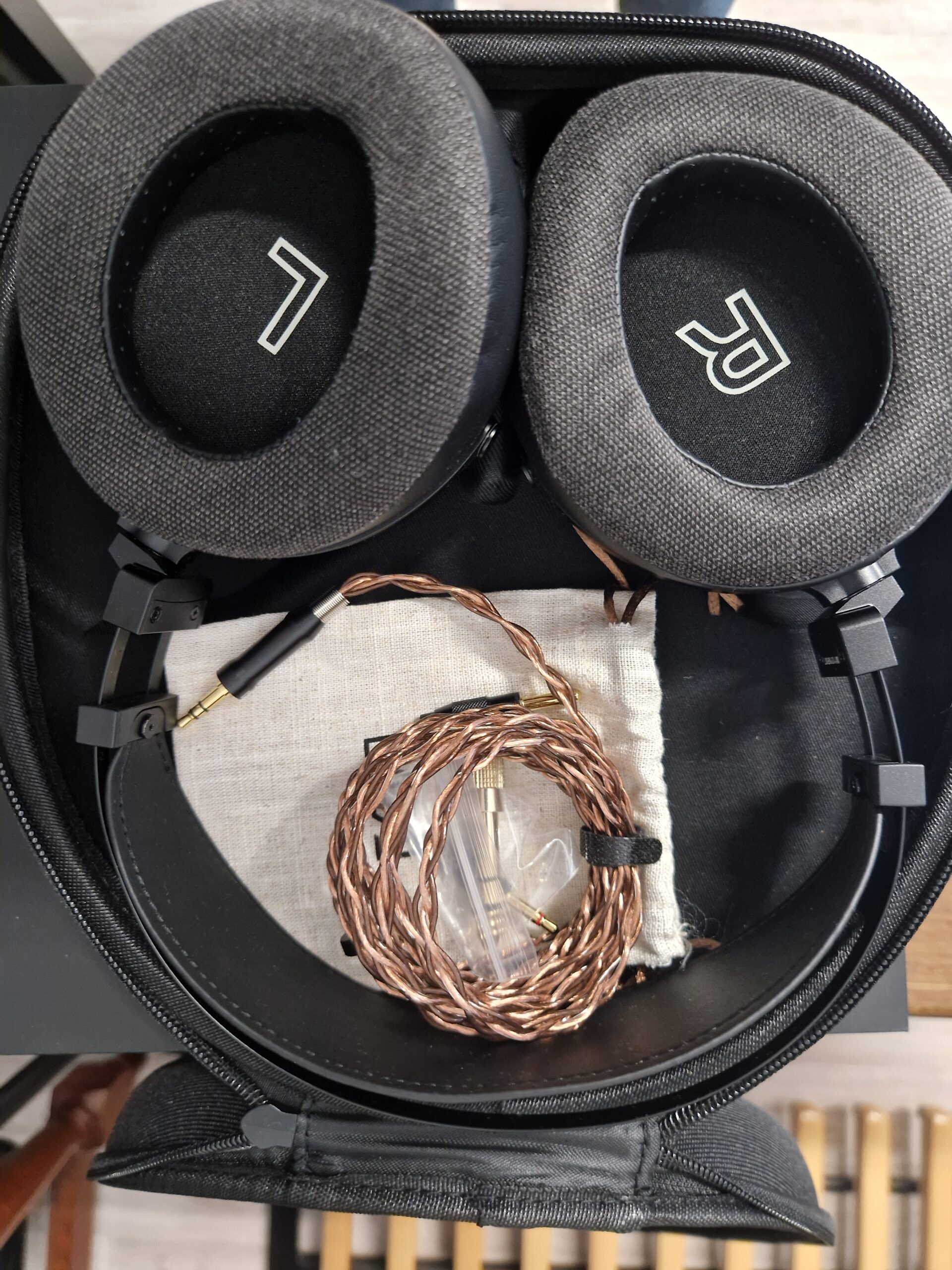
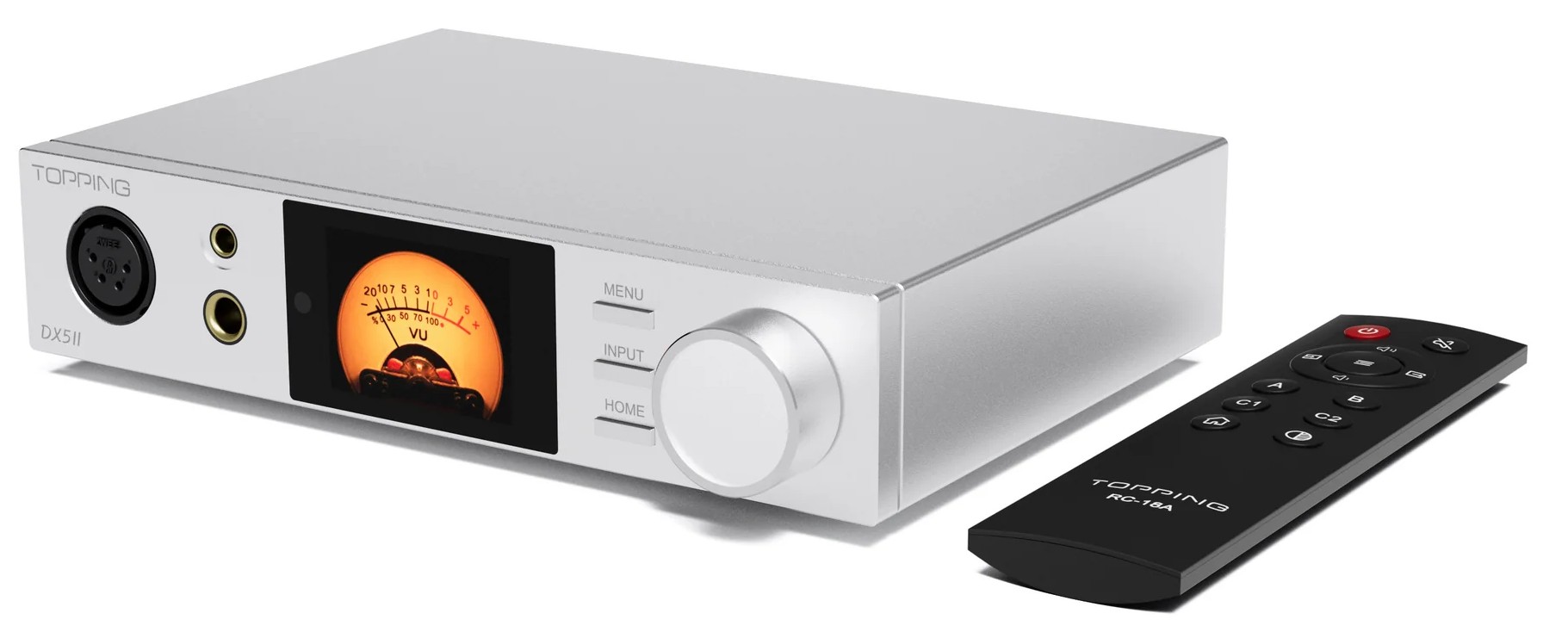
I have been using my ART HeadAmp 6 Pro six-channel stereo headphone amplifier for quite a while with the VSX mixing system. The ART HeadAmp is connected to my Behringer X32 digital mixer, which received audio from my computer while mixing (Cubase) and Mastering (WaveLab). However, recently, I upgraded to the VSX Immersion One planar magnetic headphones and, therefore, started looking for a headphone amplifier that could get the very best out of these headphones. I eventually chose the TOPPING DX5 II, which is a powerful fully balanced headphone amplifier with an excellent DAC, balanced outputs for studio monitors, Bluetooth connectivity, parametric EQ, and measurement figures that are among the best currently available in this price class.

Why I wanted a separate headphone DAC/Amp?
Many audio interfaces like my X32 or headphone amplifiers like my ART HeadAmp 6 Pro include one or more headphone outputs. However, these outputs are primarily designed for convenience rather than maximum performance. They serve my recording sessions very well. However, high-end headphones like the VSX Immersion One (but also my Sennheiser HD650) will benefit from
- Higher output power
- Lower output impedance
- Lower distortion
- Better channel separation
- Improved dynamic range
Especially for mixing and mastering, a dedicated high-quality headphone amplifier, will hopefully improve my judgement of mixes and masters.
What Makes the DX5 II Different?
The DX5 II is much more than a headphone amplifier. Each channel (left and right) utilizes an independent ESS new DAC chip, i.e., the ES9039Q2M. It combines several devices into one compact desktop unit:
- High-end USB DAC
- Fully balanced headphone amplifier
- Stereo preamplifier
- Bluetooth receiver
- Digital volume controller
- Parametric equalizer
I can place the DX5 II conveniently on my desk.
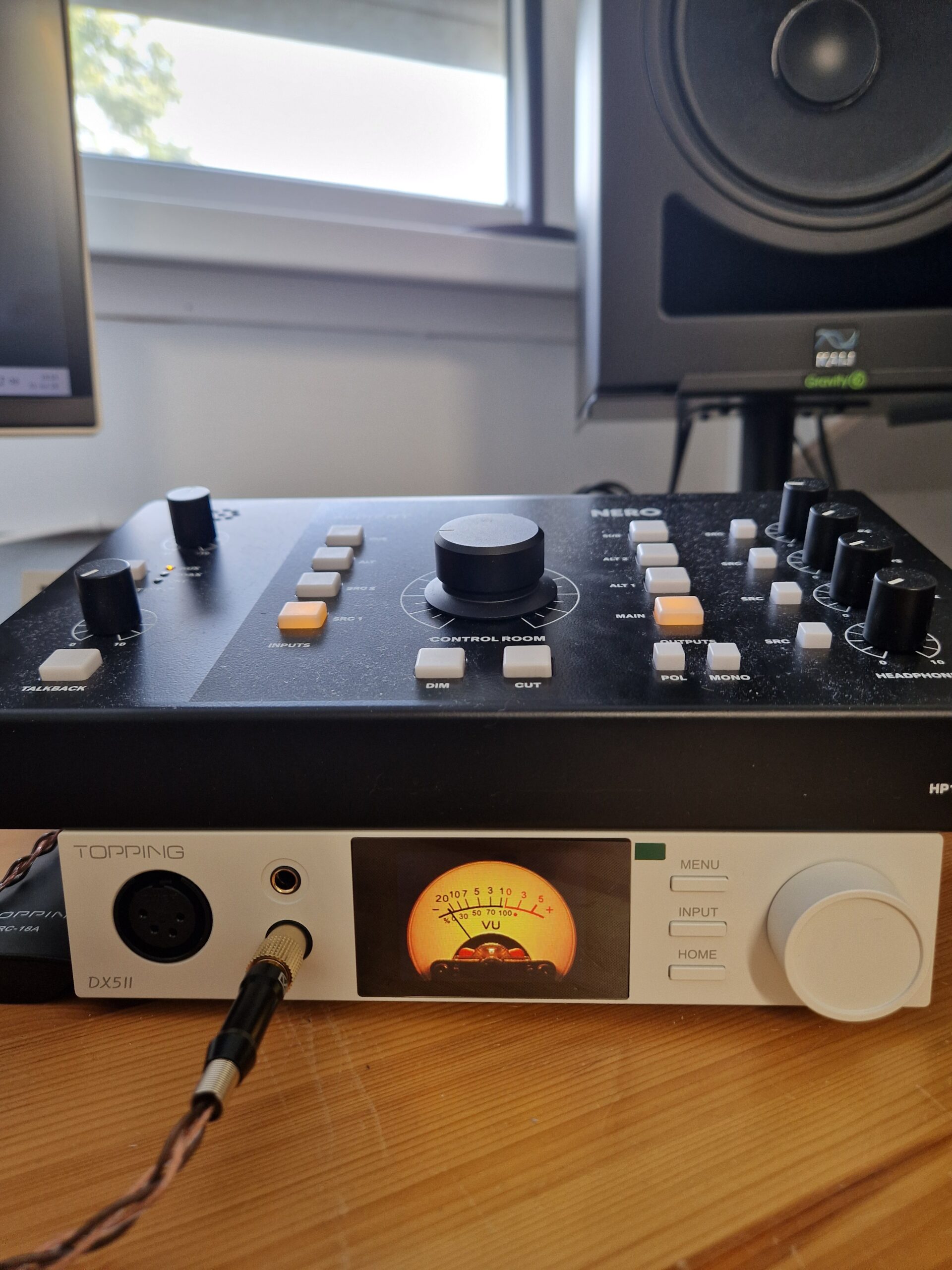

Plenty of Power
One other reason I selected the DX5 II was its output power. Planar magnetic headphones often require considerably more current than conventional dynamic headphones. The DX5 II has no difficulty driving even such headphones while maintaining extremely low distortion. Topping’s new X-Hybrid amplifier combines discrete output stages with nested feedback technology to provide high power together with exceptionally low noise and distortion.
Exceptionally Clean Measurements
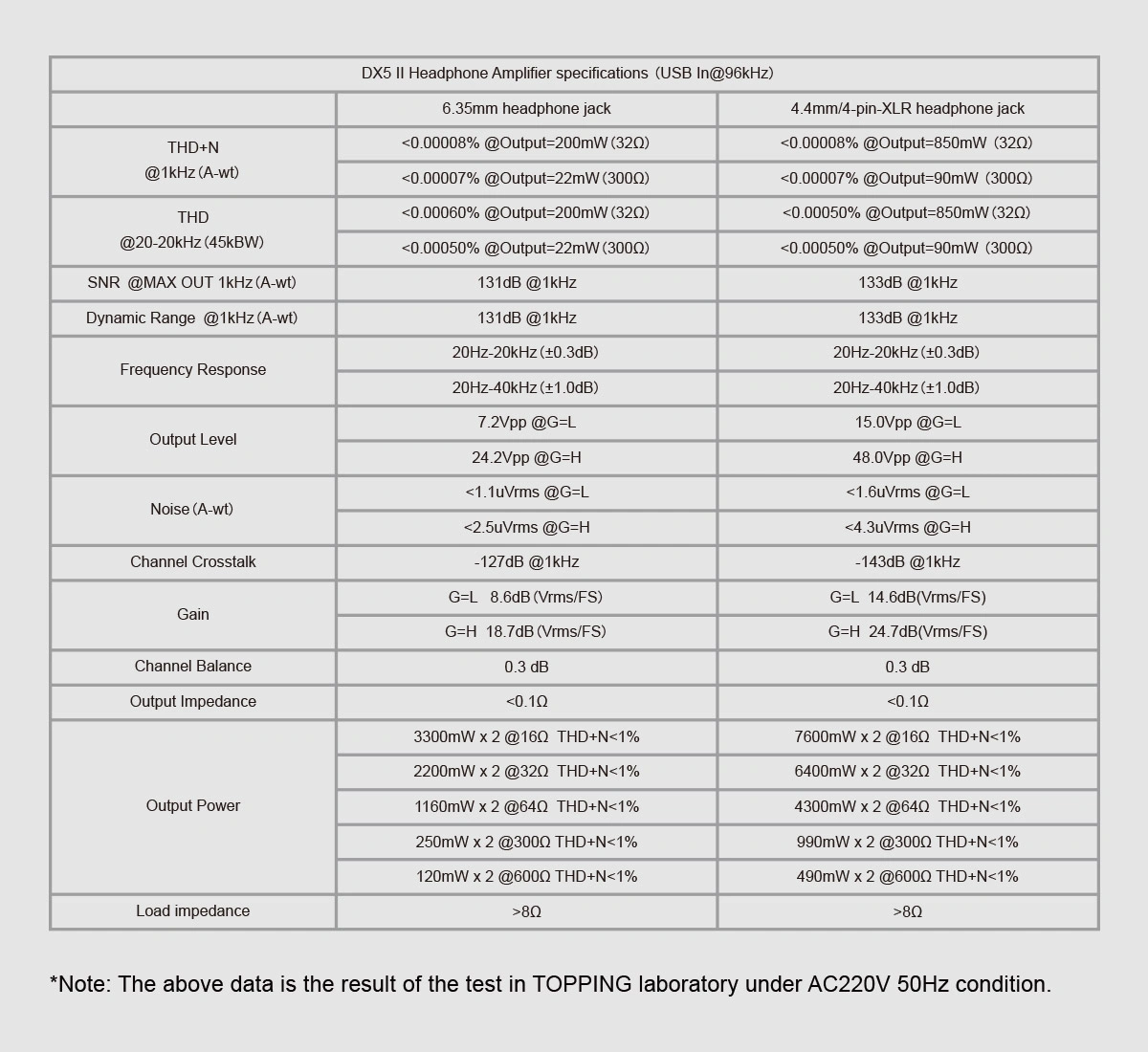
Topping has built an excellent reputation for designing audio equipment that measures exceptionally well. The DX5 II continues that tradition with
- Extremely low THD+N
- Dynamic range exceeding 130 dB
- Excellent channel separation
- Very low output noise
- Excellent signal-to-noise ratio
While measurements alone do not tell the full story, they do indicate that the electronics are adding virtually nothing to the signal. For mixing and mastering, this transparency is exactly what I want.
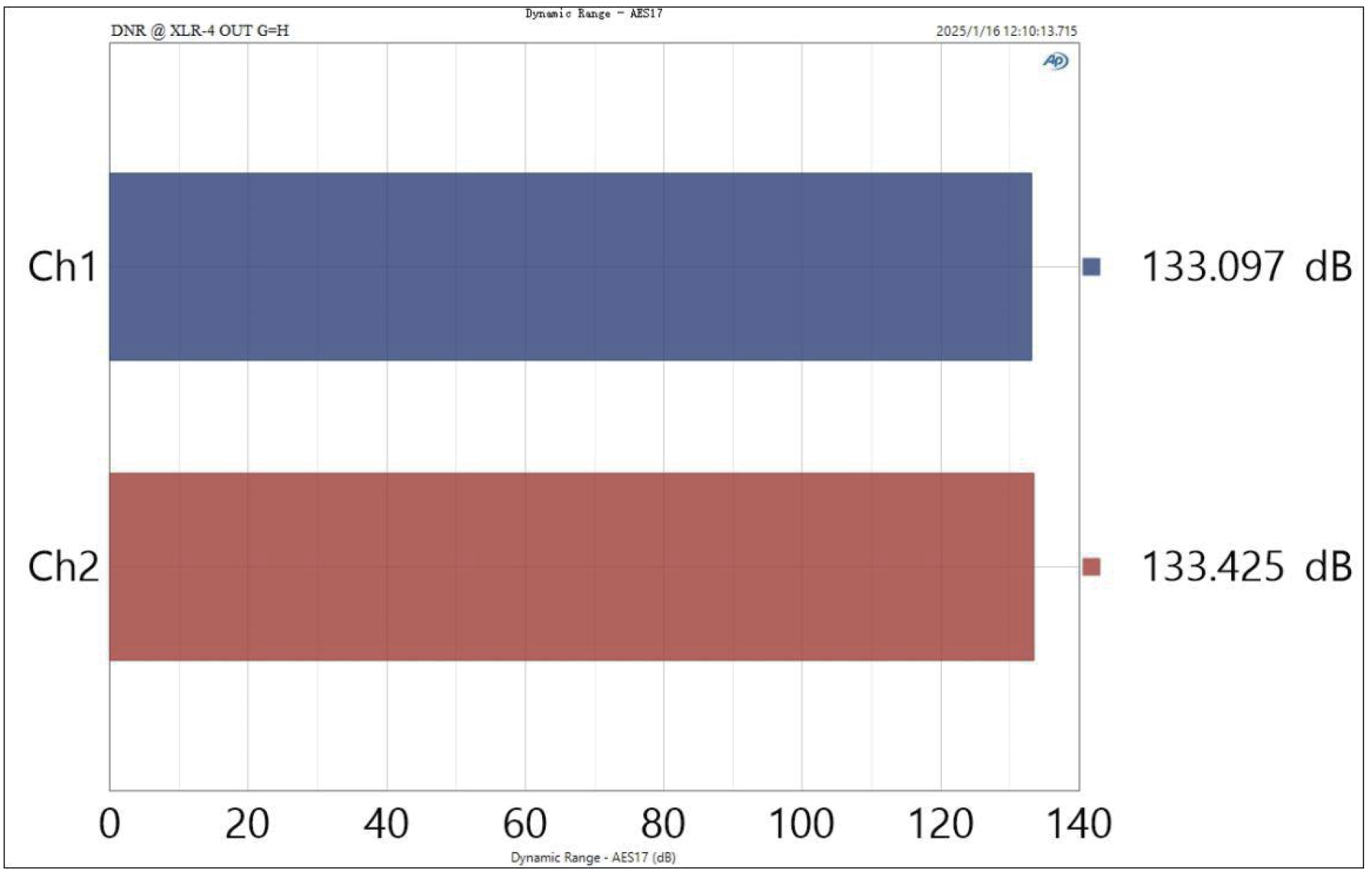

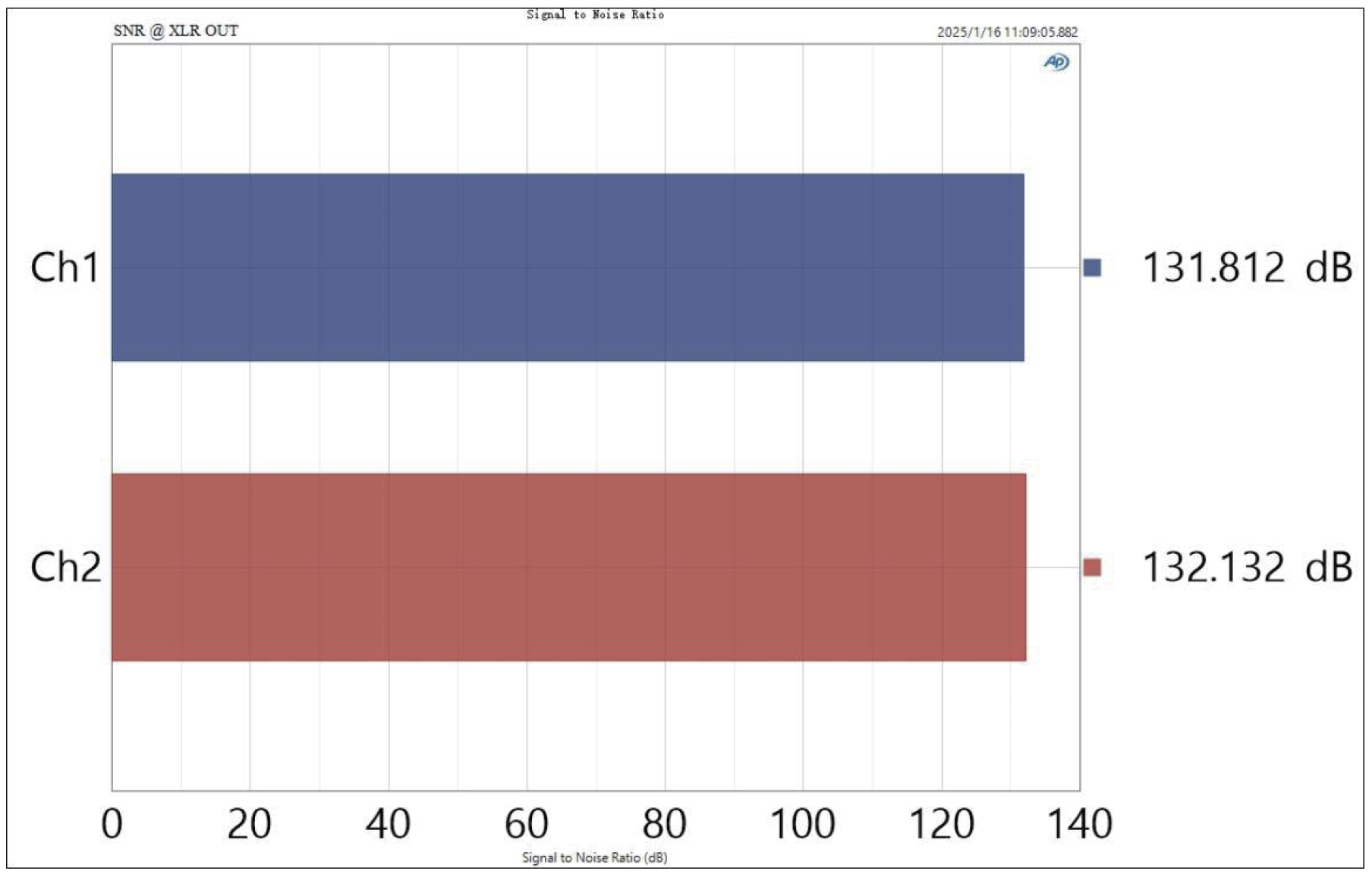

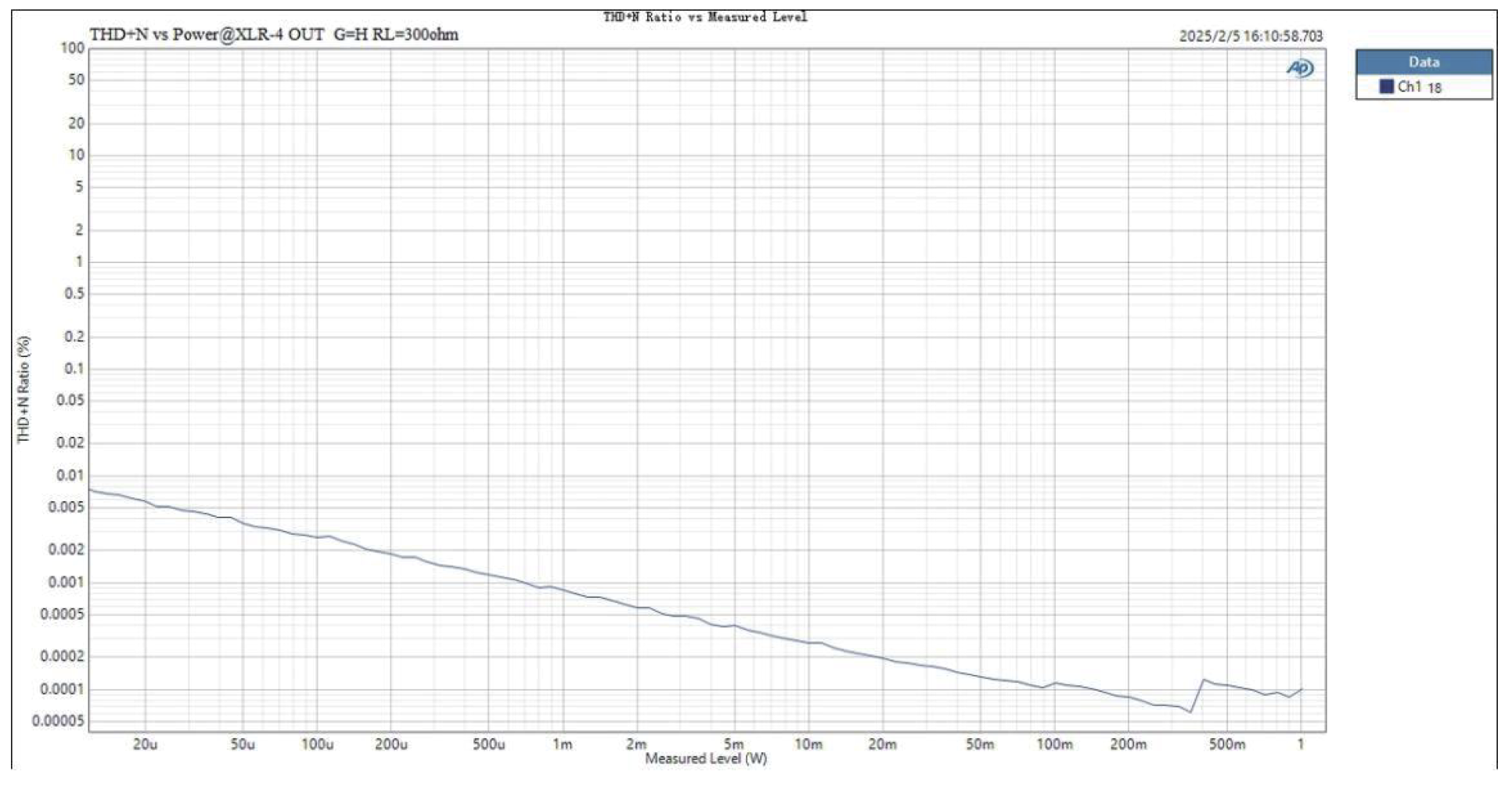
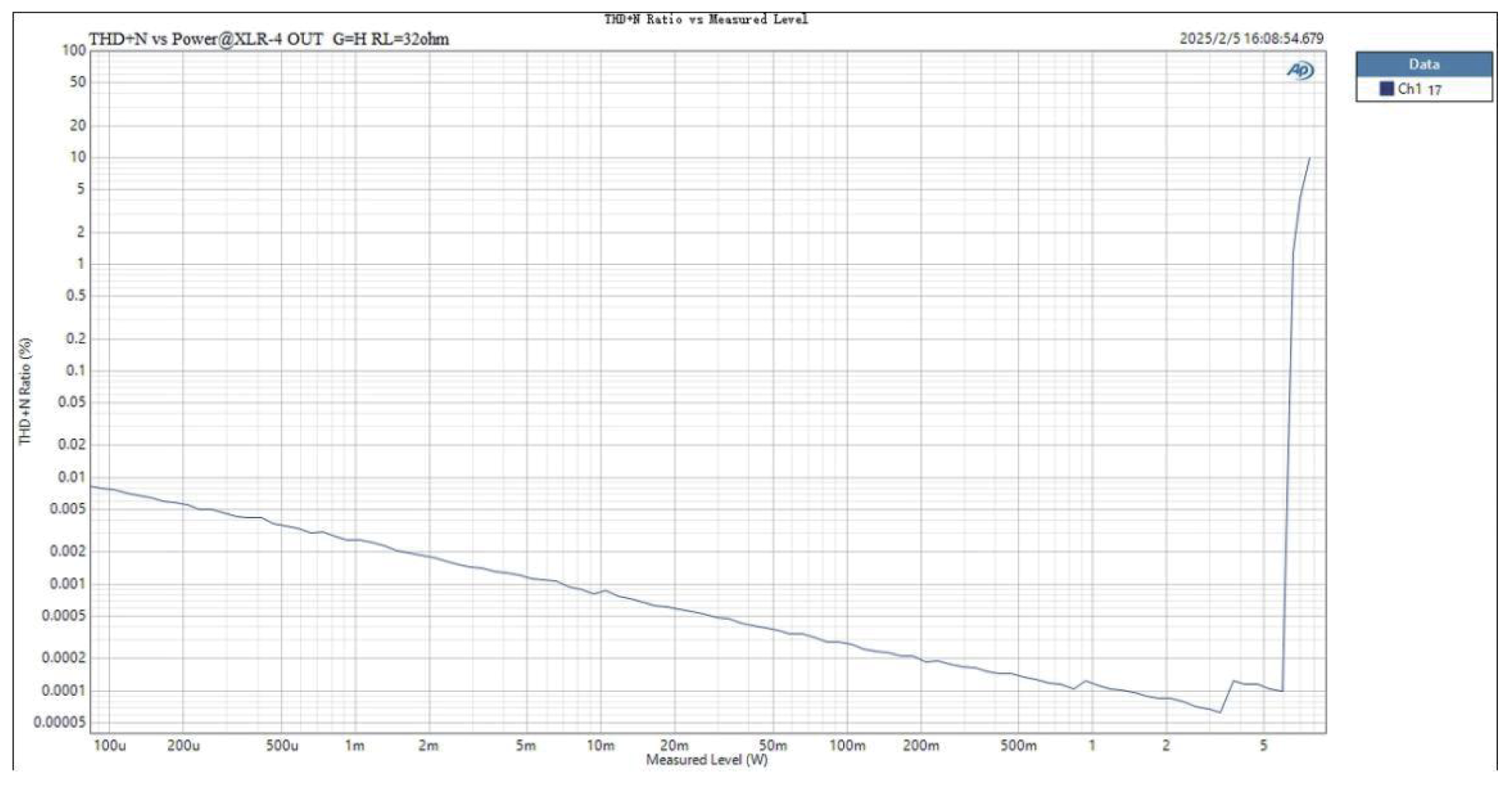

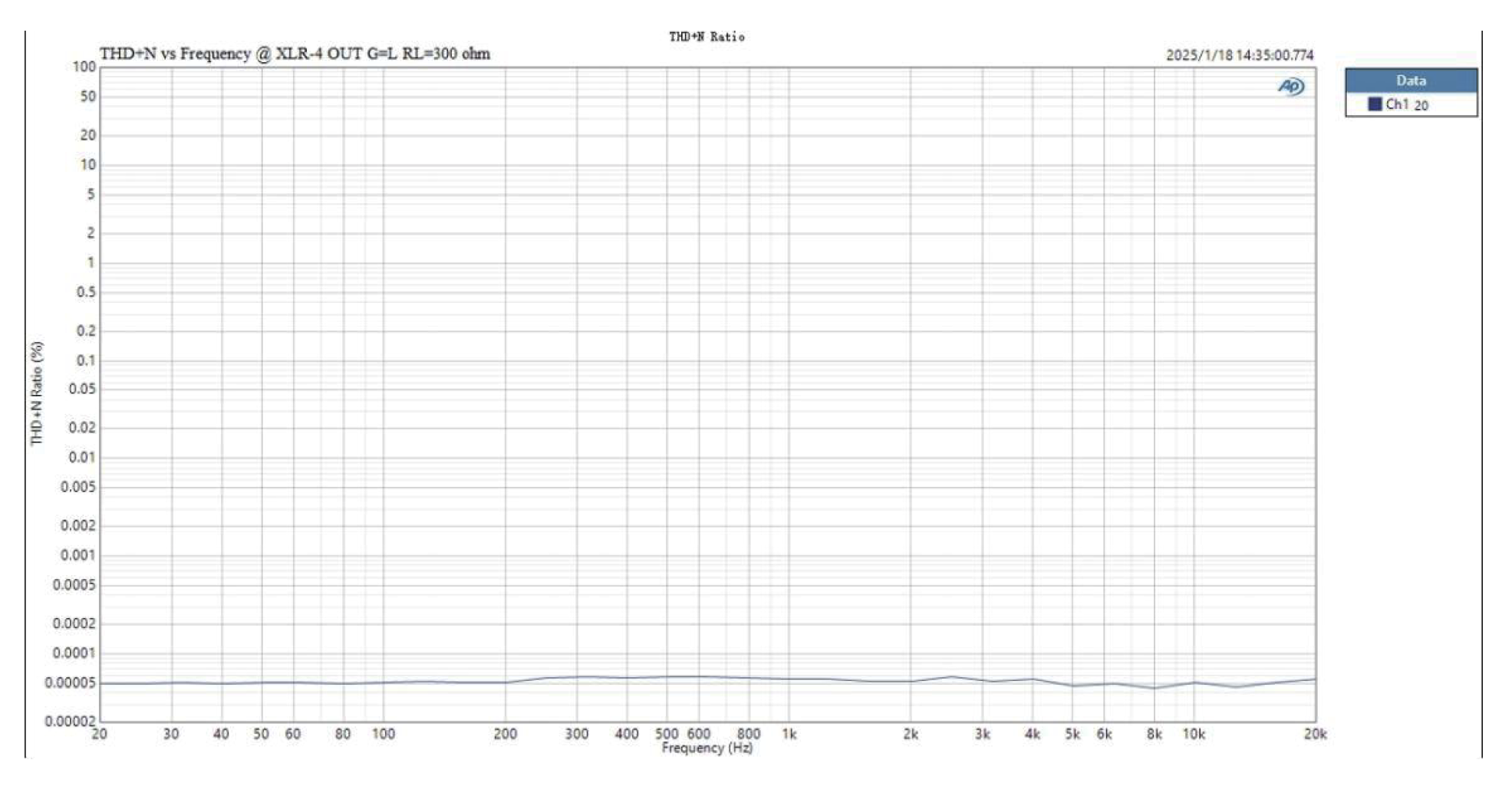
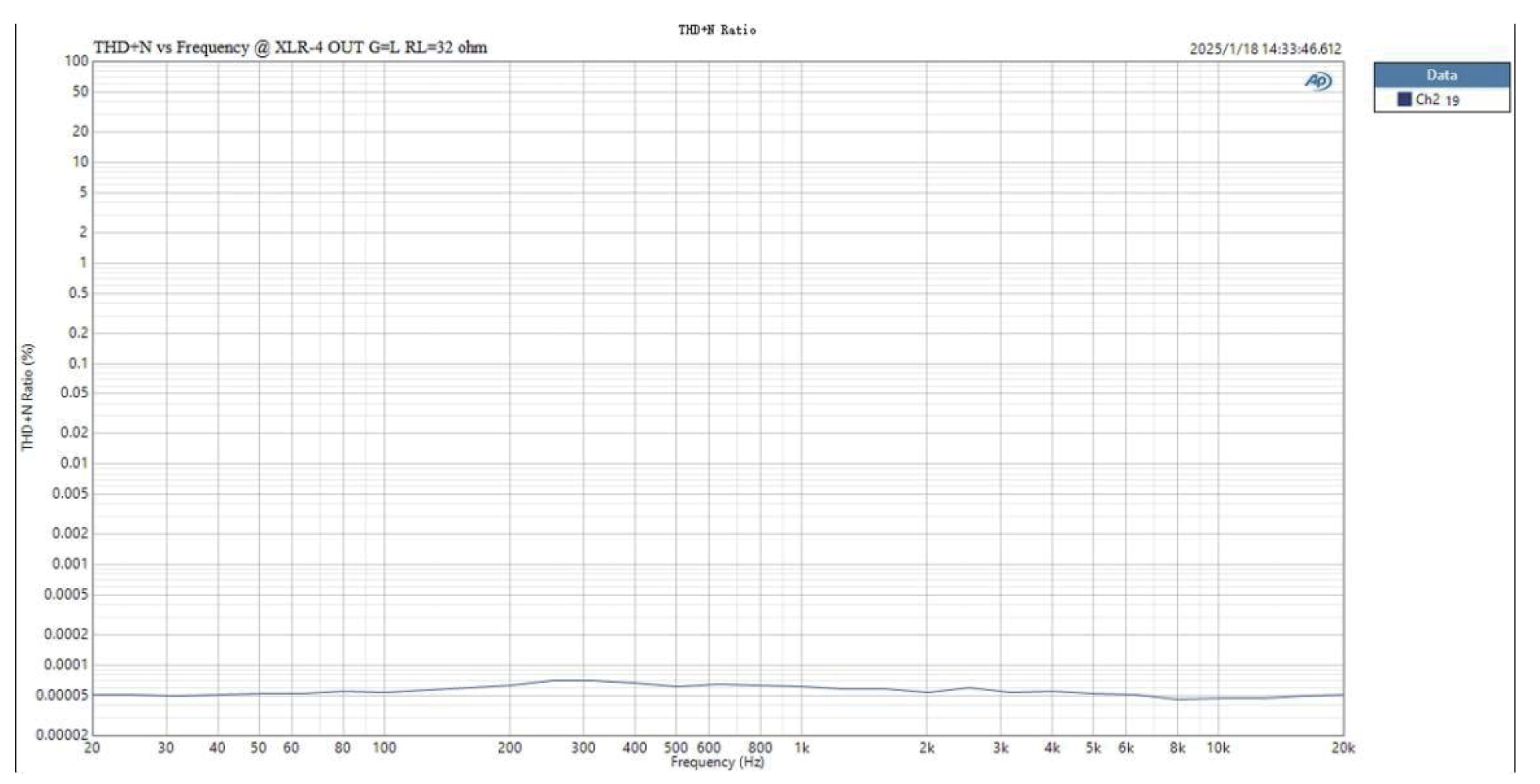
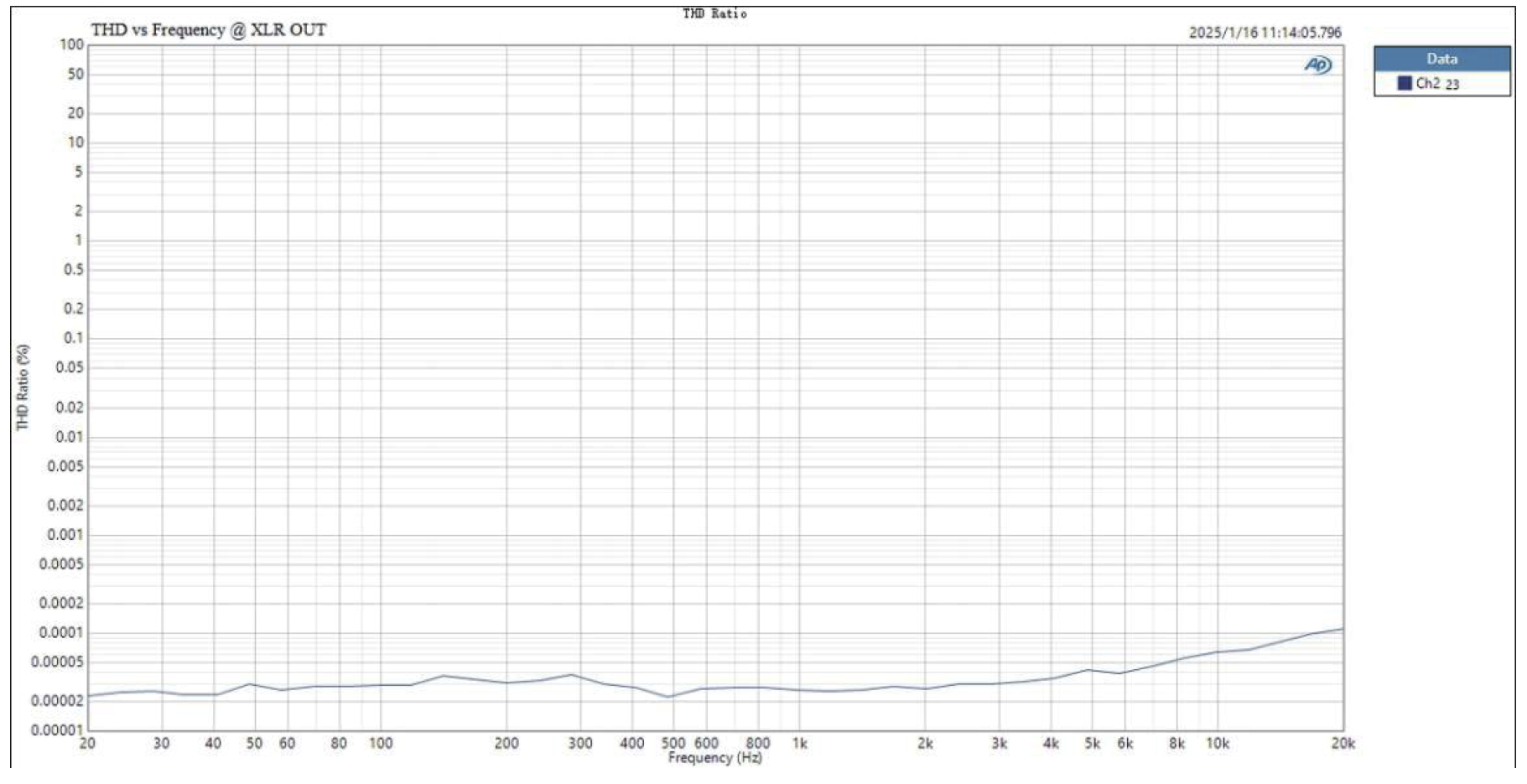
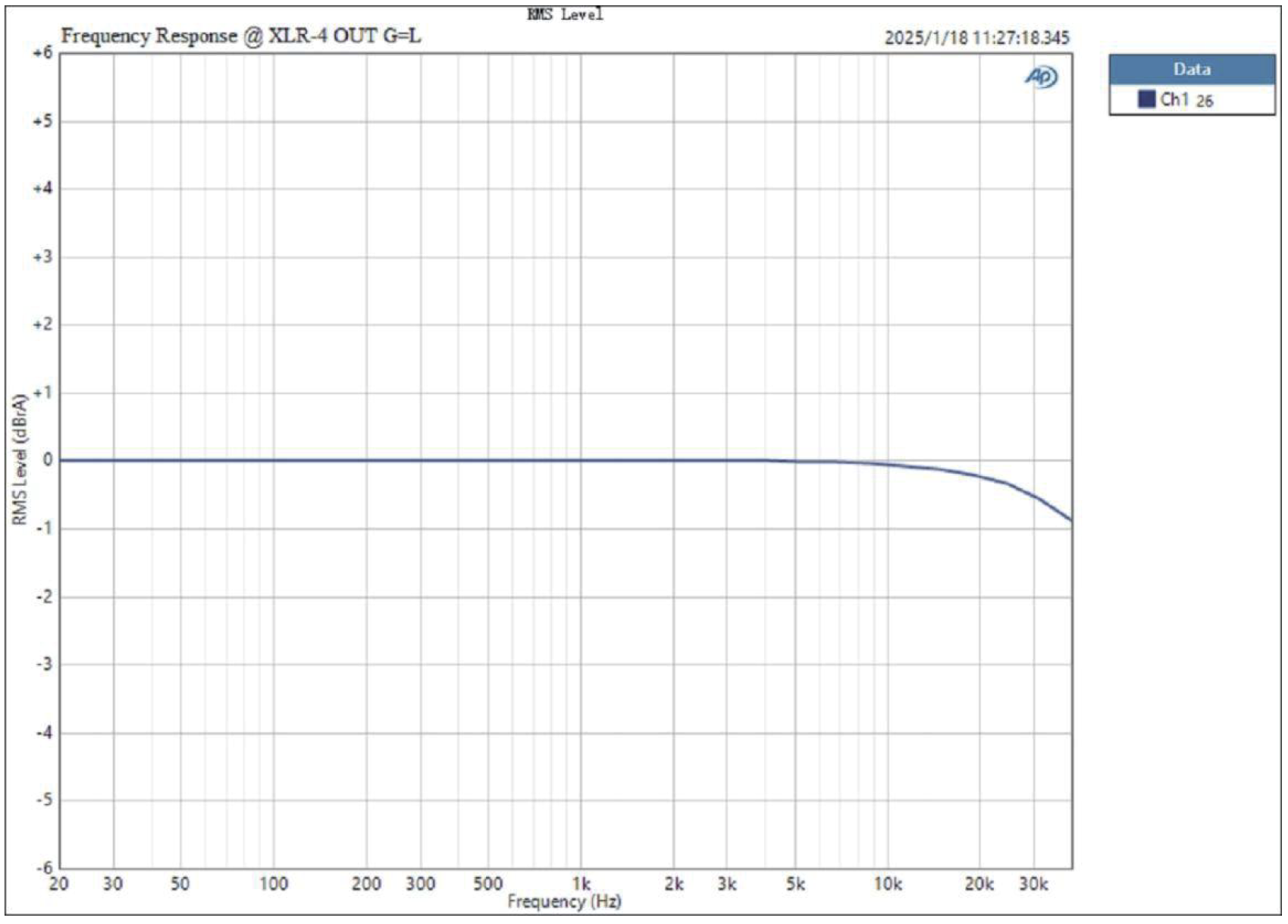
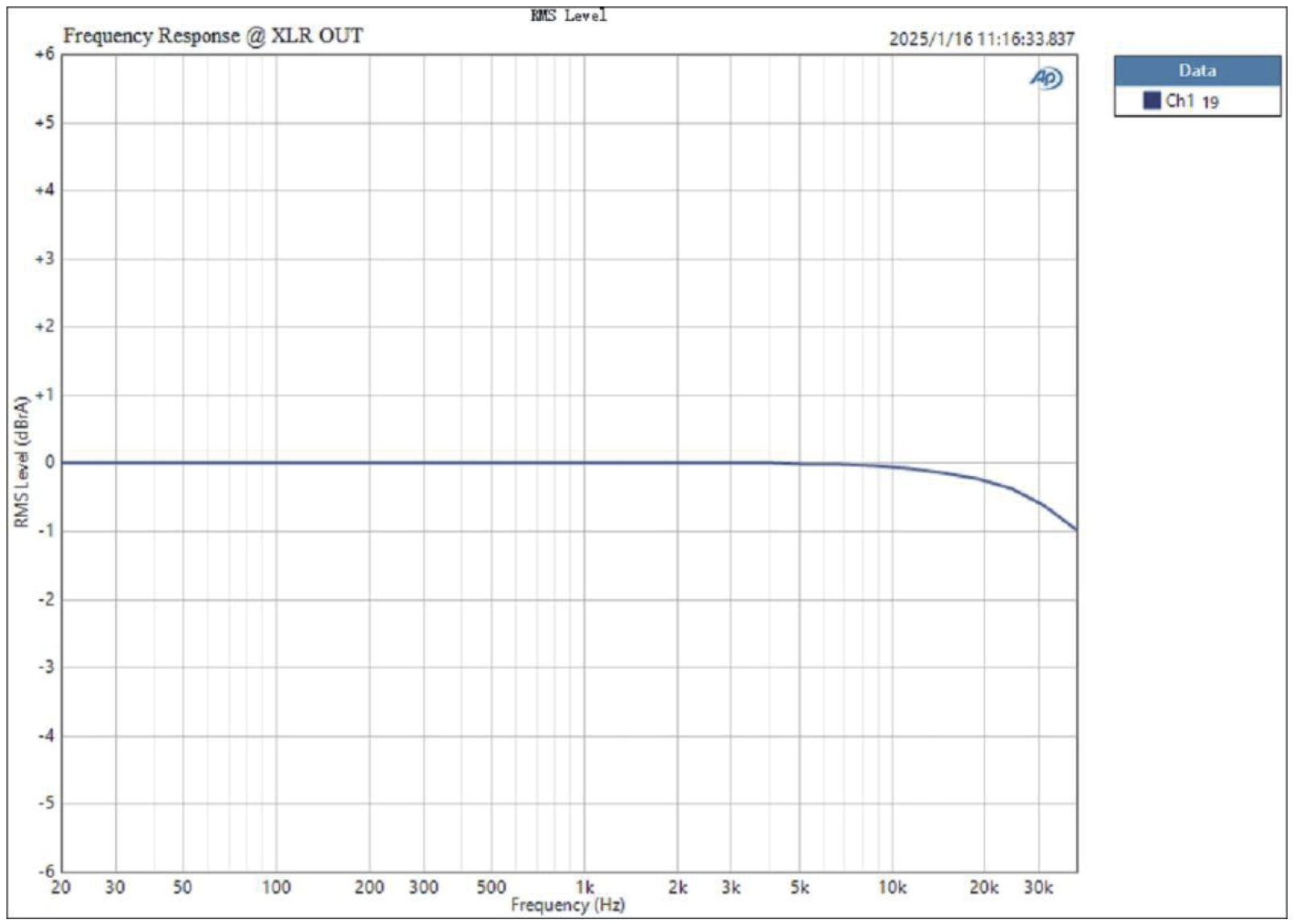
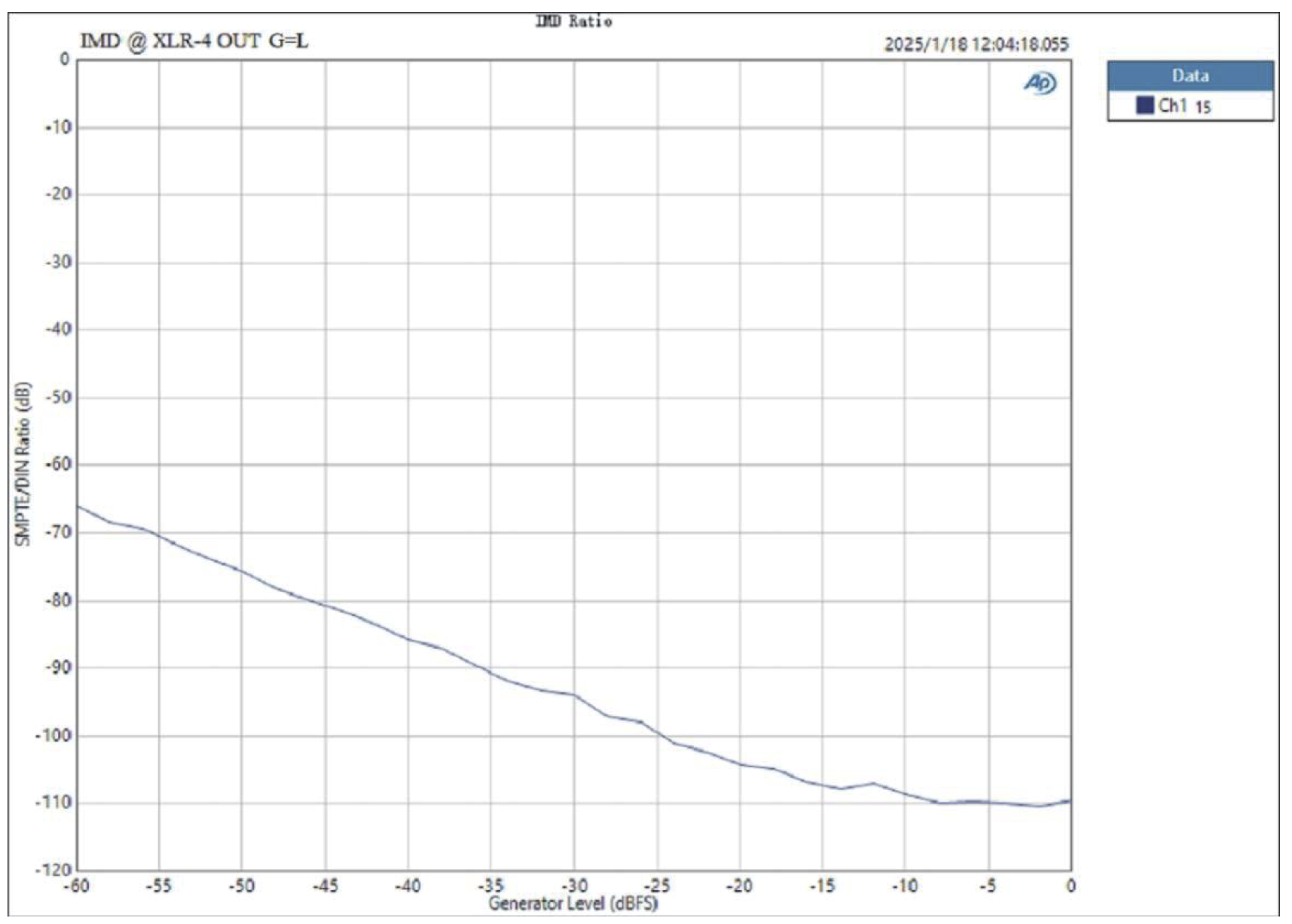
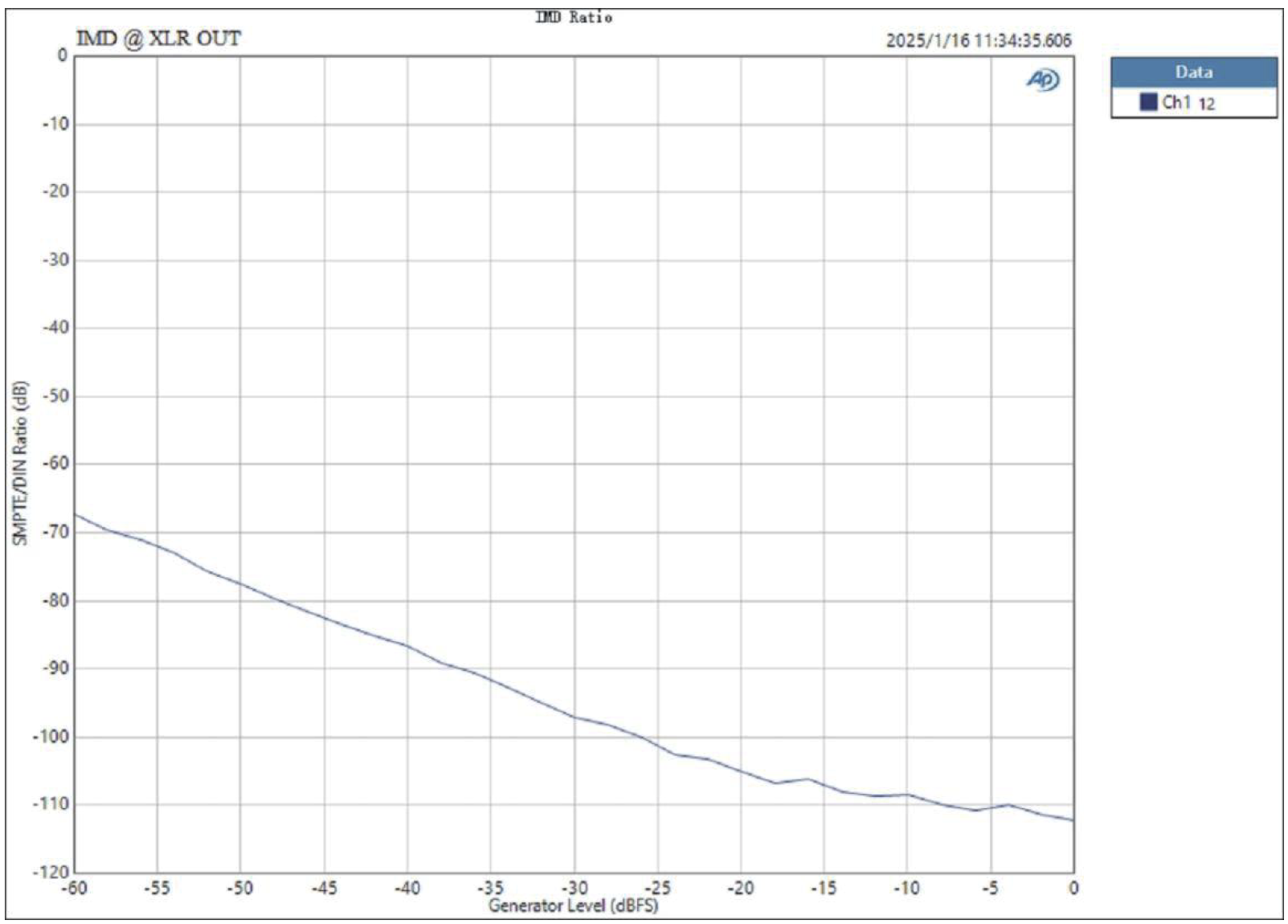
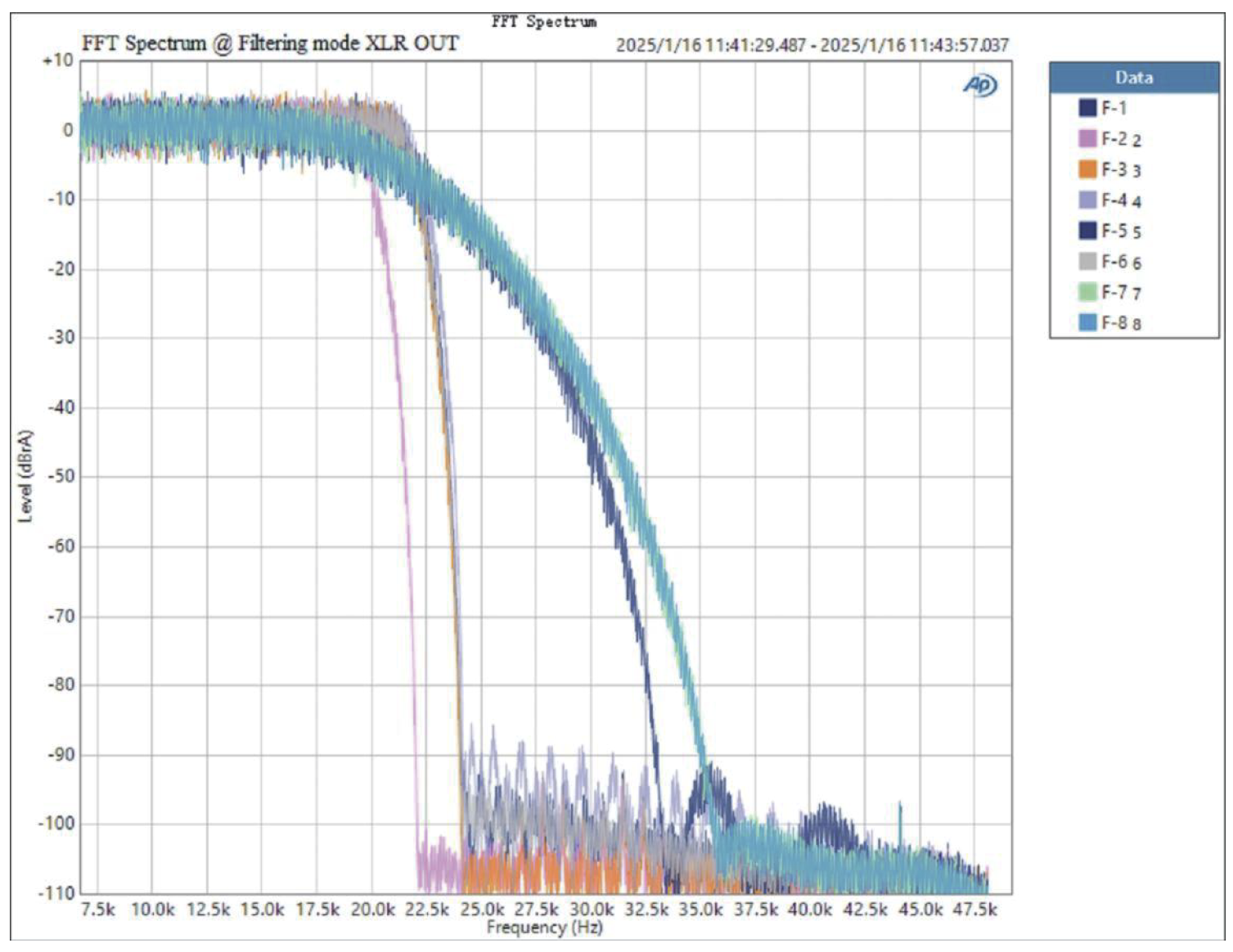

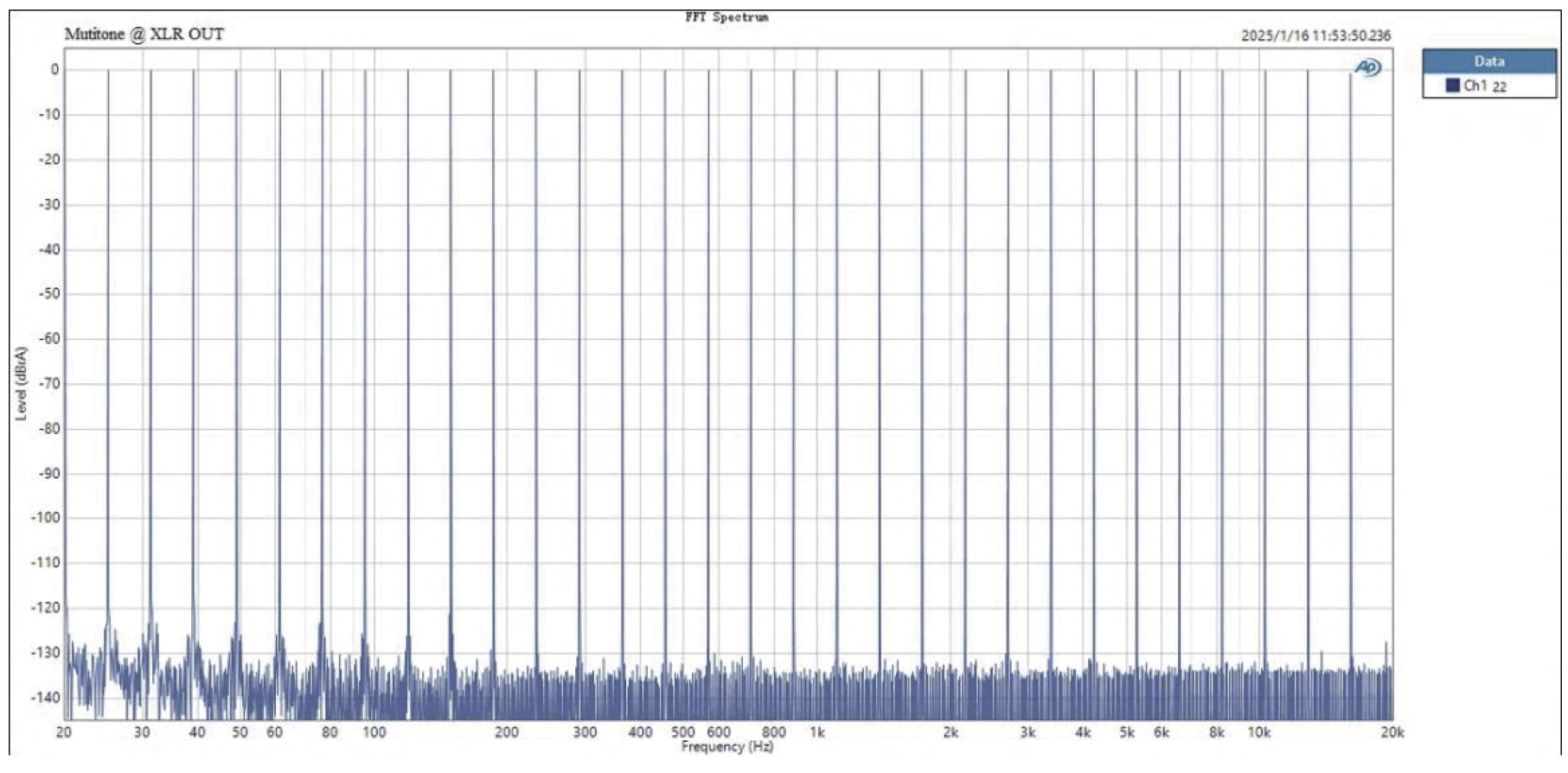

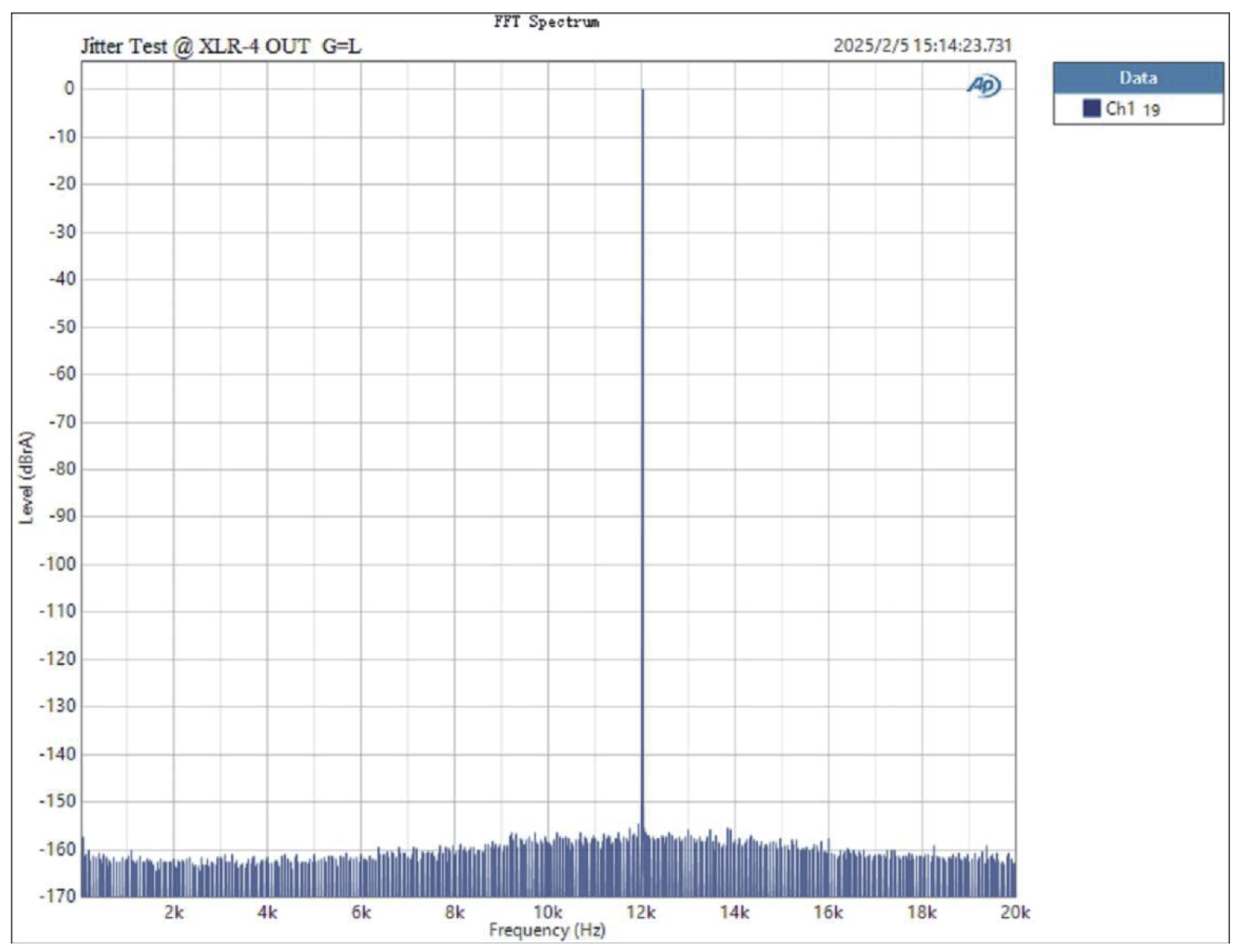
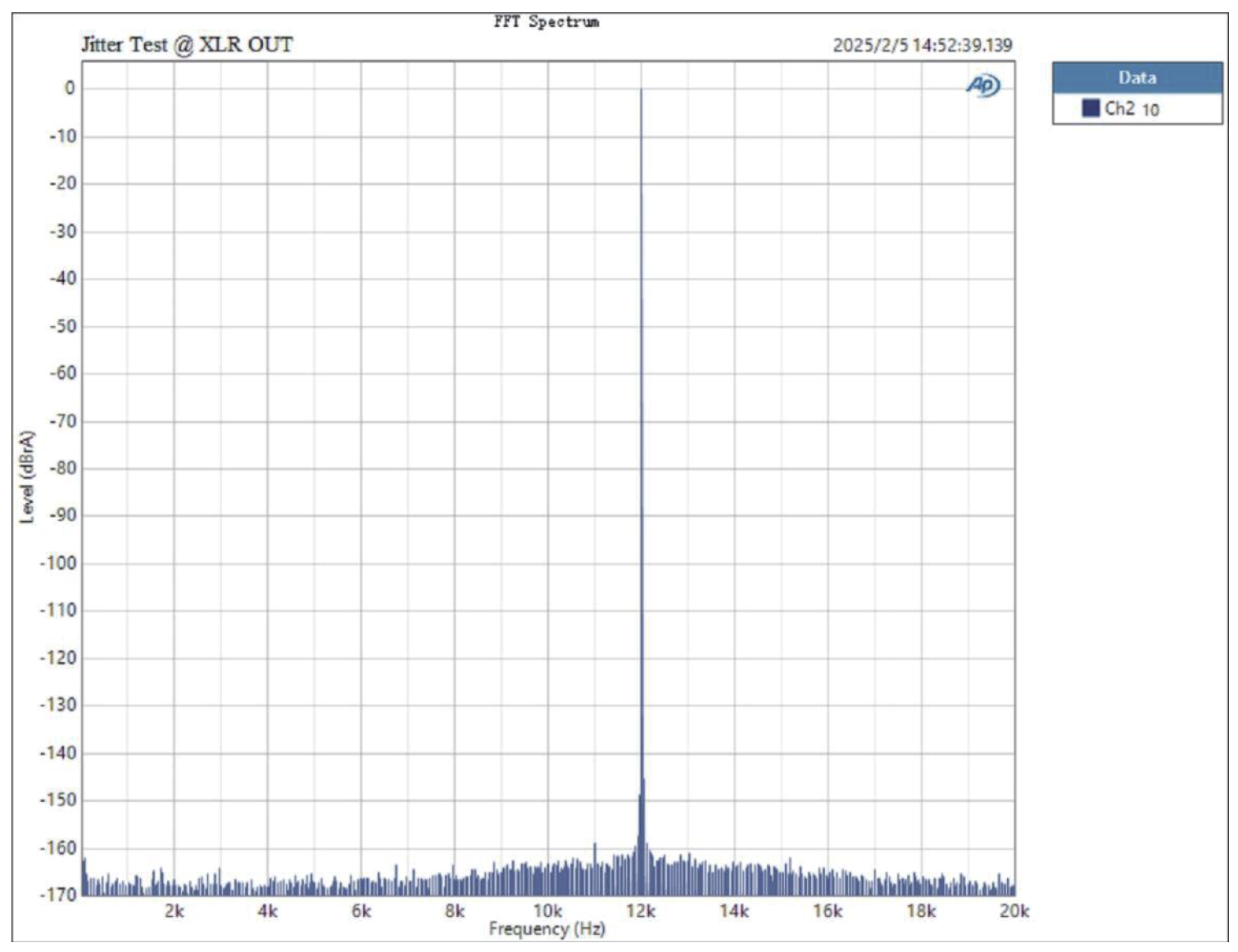

Image: Topping DX5 Measurments
Perfect Match for VSX
One reason I purchased the DX5 II was to pair it with VSX Immersion One planar magnetic headphones. The headphones already provide an impressive virtual mixing environment. Feeding them from an extremely clean DAC and powerful amplifier gives the software the best possible signal. The combination produces:
- Improved stereo imaging
- Effortless detail retrieval (e.g., transients)
- Clean low-frequency reproduction
- Plenty of headroom
- No audible background noise
Mix and master decisions become easier because nothing in the playback chain appears to color the sound.
 Image. VSX Immersion One planar magnetic headphones
Parametric Equalizer
A feature that is often overlooked is the integrated 10-band parametric equalizer. Using the TOPPING Tune software, EQ profiles can be stored directly inside the DX5 II itself. Once configured, the equalizer continues to work even without the software running. This is particularly useful for headphone correction or making subtle adjustments for personal listening. Not sure if I will use this given the calibration done with the VSX software.
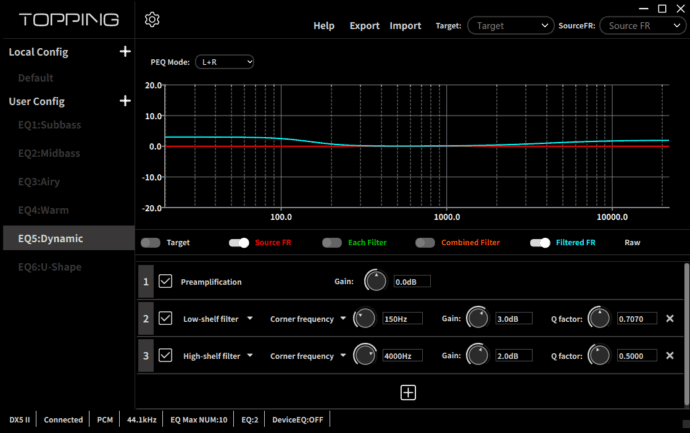 Image. Topping DX5 10-band parametric equalizer (PEQ)
Connectivity
The DX5 II is remarkably versatile.
Inputs:
- USB
- Optical
- Coaxial
- Bluetooth 5.1
Outputs:
- 6.35 mm headphone
- 4.4 mm balanced headphone
- balanced XLR line outputs
- RCA outputs
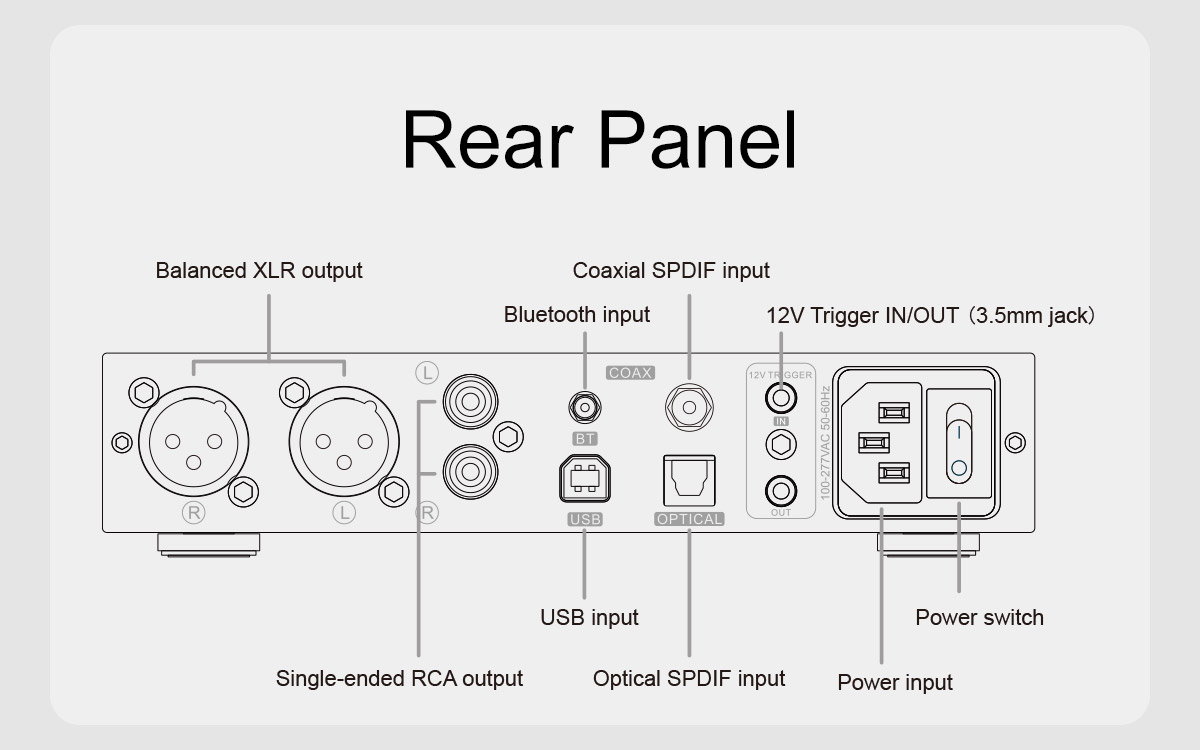
Image. Topping DX5 Inputs and Outputs
User Interface
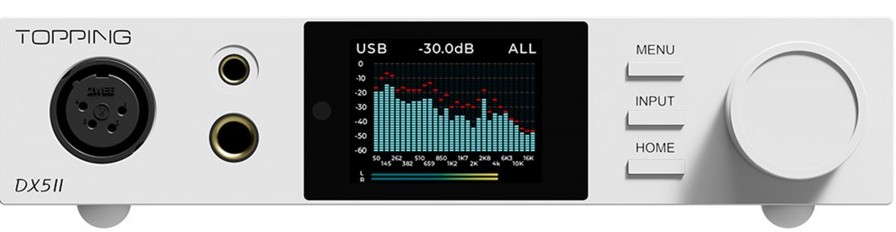
Unlike many audio devices that require endless menu navigation, the DX5 II features a bright color display with a clean user interface. The included remote control is surprisingly useful when switching between speakers and headphones or adjusting volume from across the room. The overall build quality feels excellent, with a solid aluminum enclosure and precise volume control.
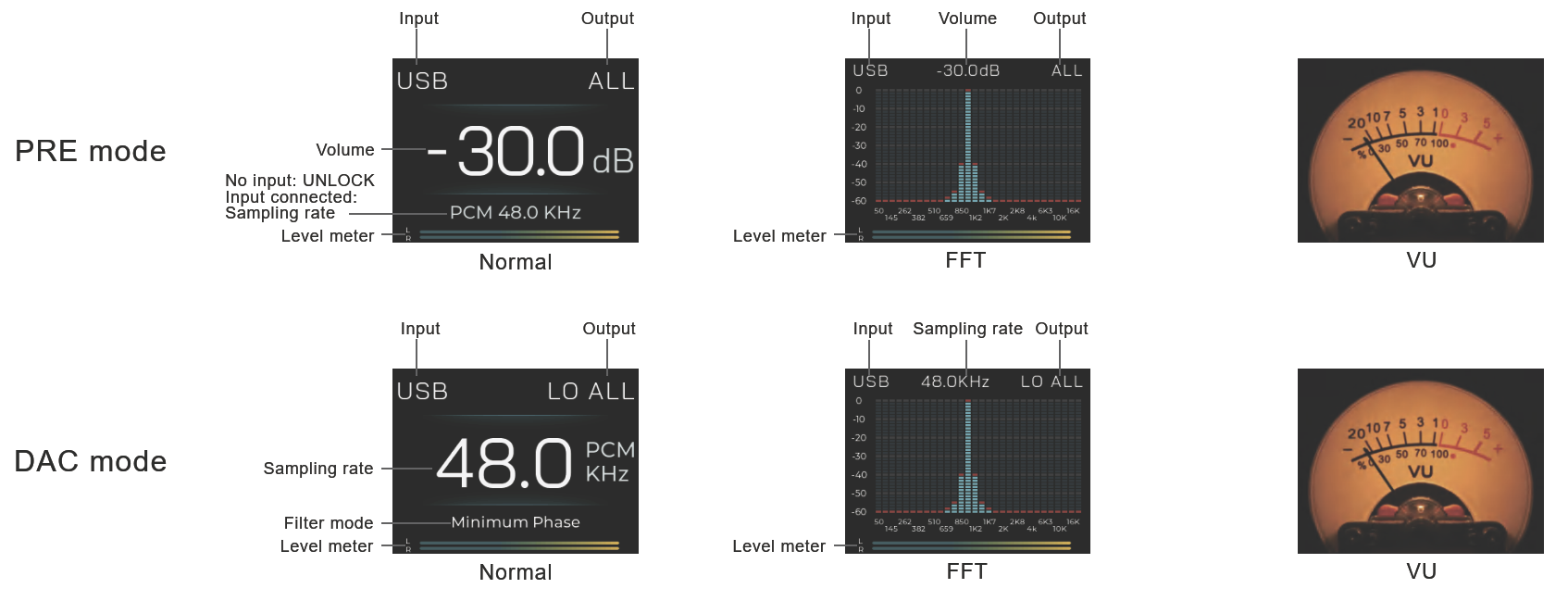
Image. Topping DX5 User Interface.
The DAC Mode turns the DX5 II into a pure digital-to-analog converter with fixed line-level outputs. In this mode, the volume knob does not affect the XLR and RCA outputs, making it ideal when the connected device, such as an integrated amplifier, monitor controller, or audio interface, already has its own volume control. The PRE Mode allows the DX5 II to function as a digital preamplifier. In this mode, the volume knob controls the XLR and RCA outputs, enabling the DX5 II to serve as the master volume control when connected directly to active speakers or a power amplifier.
PCM Filter
A PCM filter is a digital reconstruction filter (also called a digital interpolation filter) that is applied when converting PCM (Pulse Code Modulation) digital audio into analog audio by a DAC (Digital-to-Analog Converter). Its main purpose is to reconstruct a smooth analog waveform from the discrete digital samples while suppressing unwanted high-frequency artifacts (images; aliasing) created during digital-to-analog conversion.
Modern DAC chips often provide several reconstruction filters because there is no single “perfect” filter. The filters trade off:
- Frequency response,
- Time-domain behavior,
- Latency,
- Alias suppression,
- Pre-ringing and post-ringing.
These differences are generally very subtle and mostly affect frequencies near the Nyquist limit.
F-1: Minimum Phase (Default) uses a minimum-phase response that eliminates pre-ringing at the expense of some post-ringing. It provides an excellent balance between technical performance and natural transient reproduction, which is why Topping has selected it as the default filter.
F-2: Linear Phase Fast Roll-Off Apodizing is a fast roll-off linear-phase filter that also employs apodization to reduce ringing introduced during the original recording or mastering process. It offers excellent suppression of ultrasonic images while minimizing the influence of earlier anti-aliasing filters used during recording.
F-3: Linear Phase Fast Roll-Off is the traditional reconstruction filter found in many DACs. It provides the flattest frequency response up to the Nyquist frequency and excellent rejection of ultrasonic images. Because it is a linear-phase filter, it introduces symmetrical pre- and post-ringing around sharp transients.
F-4: Linear Phase Fast Roll-Off Low Ripple is similar to F-3 but is optimized to reduce passband ripple, resulting in an even flatter frequency response within the audible range. The trade-off is a slightly different impulse response, while maintaining excellent image rejection.
F-5: Linear Phase Slow Roll-Off applies a more gradual attenuation near the Nyquist frequency. This reduces ringing compared with the fast roll-off filters but allows somewhat more ultrasonic energy to pass through. The frequency response starts to decline slightly earlier at the highest audible frequencies.
F-6: Minimum Phase Fast Roll-Off combines the steep attenuation of a fast roll-off filter with a minimum-phase response. It effectively suppresses ultrasonic images while eliminating pre-ringing, producing only post-ringing after transient events.
F-7: Minimum Phase Slow Roll-Off combines a gentle roll-off with a minimum-phase response. It further reduces ringing and provides a slightly smoother impulse response, although ultrasonic attenuation is somewhat less aggressive than with the fast roll-off variants.
F-8: Minimum Phase Slow Roll-Off Low Dispersion is a refinement of the slow minimum-phase filter that aims to reduce temporal dispersion of transient signals while maintaining the absence of pre-ringing. It offers a compromise between smooth transient reproduction, low ringing, and good overall frequency response.
For professional monitoring, mixing, and mastering, all eight filters are technically capable and the audible differences are generally very small. If the goal is maximum measurement accuracy, the linear-phase fast roll-off filters (F-2, F-3, or F-4) are the most faithful to the original digital signal. If the goal is to avoid pre-ringing and achieve the most natural transient response, the minimum-phase filters (F-1, F-6, F-7, or F-8) are preferred. For most users, including those performing critical listening, F-1 (Minimum Phase) is an excellent default choice, while F-2 (Linear Phase Fast Roll-Off Apodizing) is often favored when the highest technical accuracy and compatibility with a wide range of recordings are desired.
Image. Topping DX5 Low-pass filters
Firmware
To check the firmware version on the Topping DX5 II, connect it to a computer via USB, turn off the rear power switch, press and hold the front volume knob, and turn the power switch back on while holding the knob until the version appears on the screen
Specifications
Digital

Headphone
Line OUT

The circuit board
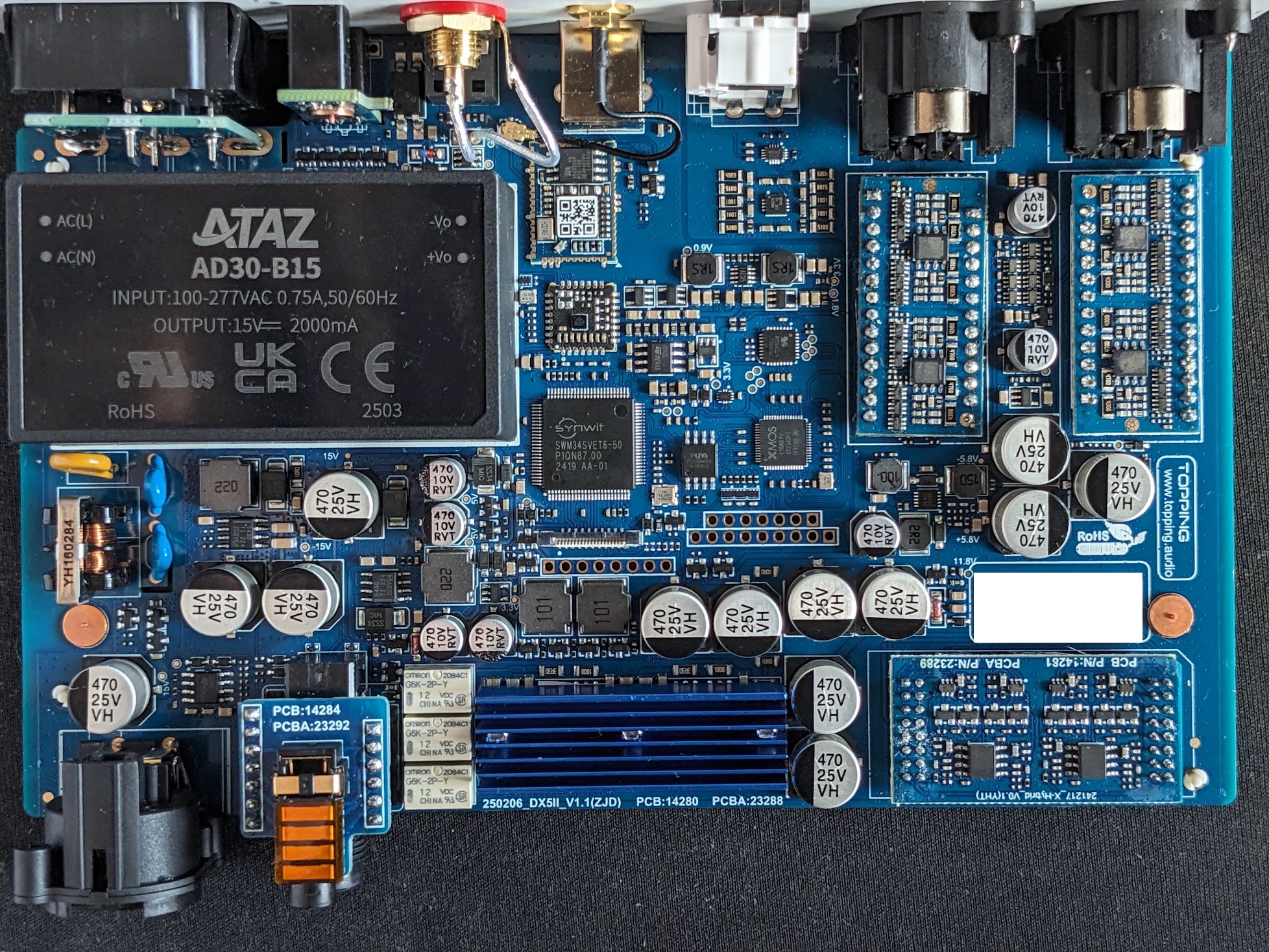 Image. The full printed circuit board (pcb)
Video
Manual & Schematics


References