

| Recent Comments |
| Categories |
| Archives |
| Tags |
Come to you
Date: December 2025
Style: Soul Ballad
Label: Skippy Music
ISRC: NL7PC2200111
Composed by: Tony Beard [YouTube] [YouTube Music]
Arrangement: Antoine van Kampen (Skippy Studio)
Performance
Vocals and Background vocals: Fidel Soo (Nigeria)
Background vocals: Stephens Oy and singers (Nigeria)
Electric Guitar: Bas van Kampen(Netherlands)
Drums: Glenn Welman (South Africa)
Electric Piano and Hammond: Antoine van Kampen(Netherlands)
Lyrics, Composition and Arrangement
Composition and Lyrics: Tony Beard [YouTube] [YouTube Music]
Arrangement: Antoine van Kampen
The original song was kindly provided by Gerard Fleurima who was working on improving the quality of the original recording. The song was originally written by Tony Beard, who also performed the vocals and guitar on the original recording (listen to it at the end of this post).
Because I think it is a great song, I decided to create a new arrangement and re-record most of the song. The lead vocal was recorded by Fidel Soo, who was able to largely capture the feel of the original song.
The original version did not feature prominent drums or bass guitar, so I decided to add these elements to give the song more power and drive. The bass guitar part was composed using EZbass (Toontrack), while the drums were recorded by Glen Welmann. In addition, I added subtle electric piano (Yamaha MODX M8) and Hammond organ (Hammond XK5) parts to enrich the texture of the intro and verses.
The guitar part was re-recorded by Bas van Kampen on an electric guitar. The resulting DI track was re-amped during mixing using the Kemper profiler where I created a track with a small amount of distortion and a second track with chorus. These two tracks are blended in the mix.
The orchestral arrangement was based on the string part from the original song, with the main melodic line extended by additional violin, viola, and cello parts, as well as brass and woodwinds. For this, I used the Spitfire Audio BBCSO library
Finally, multiple layers of background vocals were added in the later sections of the song to enhance its overall impact. These parts were sung by Fidel Soo and Stephens Oy, with additional support from other singers.
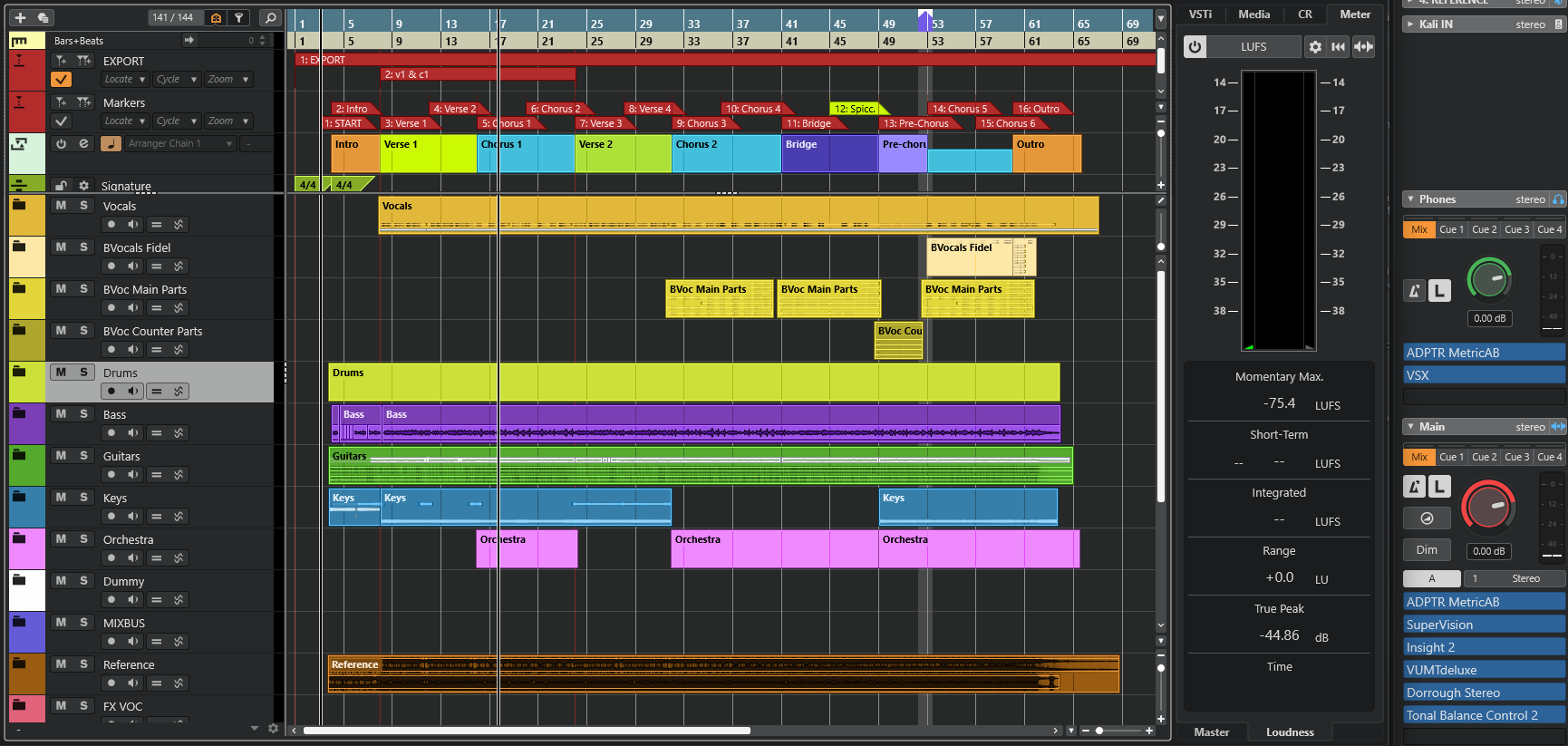
Image. Structure of the song in the Cubase project window. Two marker tracks at the top with an ‘export’ cycle marker that leaves sufficient reverb tail. An Arranger Track with empty events to denote the structure of the song. Several folder contain the various tracks of the song.
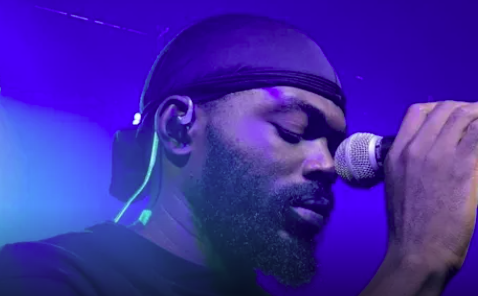
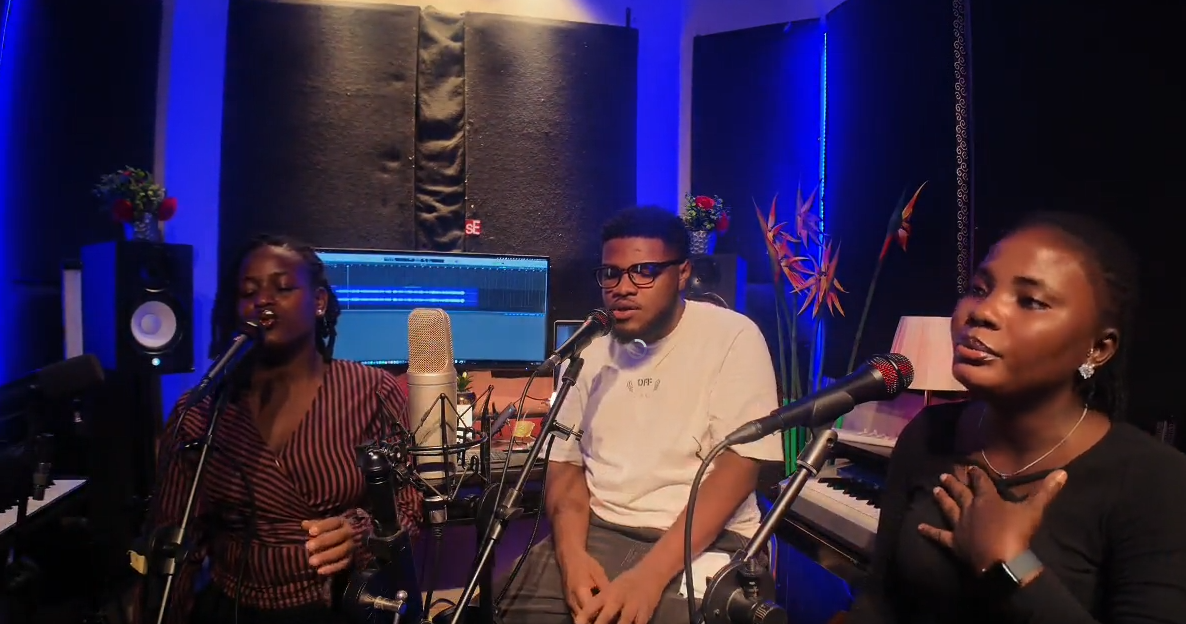
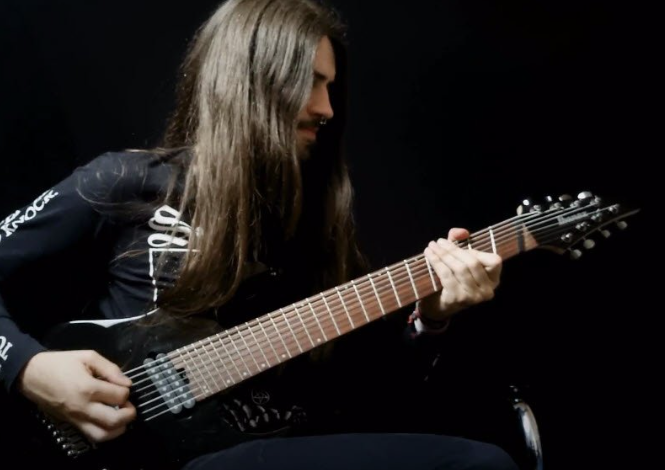
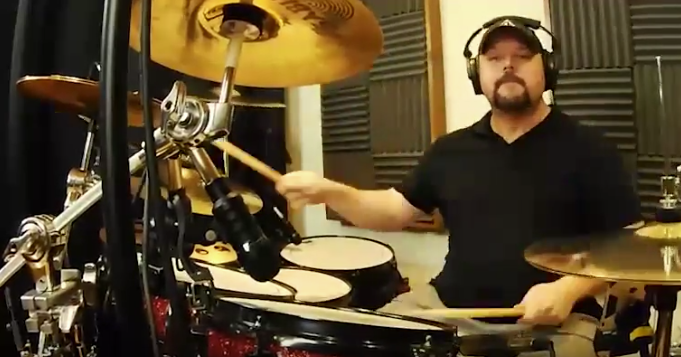
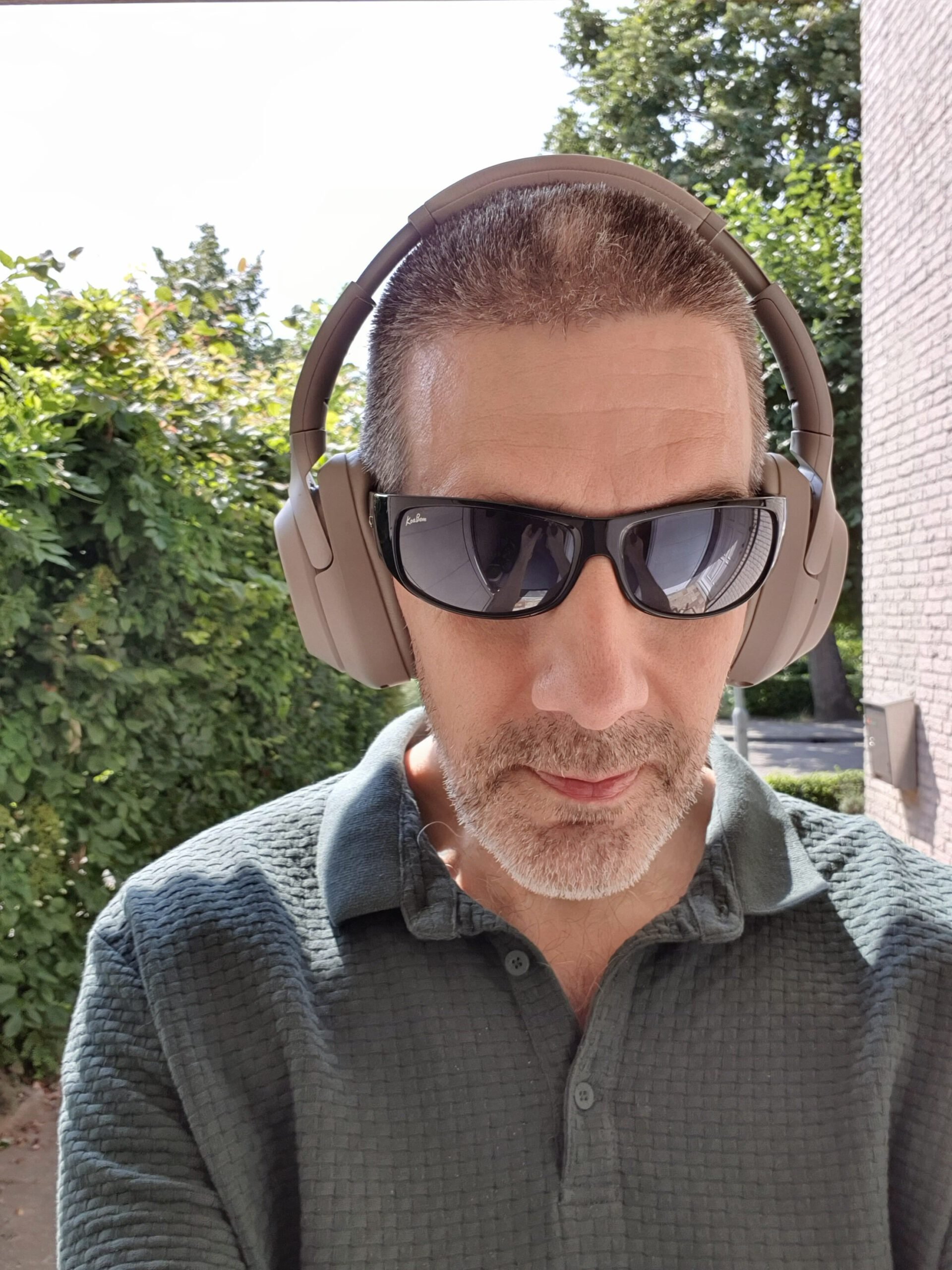
Meet the artists. From left to right: Fidel Soo, Stephens Oy, Bas van Kampen, Glenn Welman, Antoine van Kampen
Summary of the production
The song was produced in Cubase 15 (Steinberg) using a variety of third-party plugins and virtual instruments. Notably, EZBass (Toontracks) and Superior Drummer 3 (Toontracks). Superior Drummer was used to make a mockup of the drum track, which was later replaced with a recording from Glenn Welman. Dorico 6 together with Spitfire Audio BBCSO was used to compose the orchestral part.
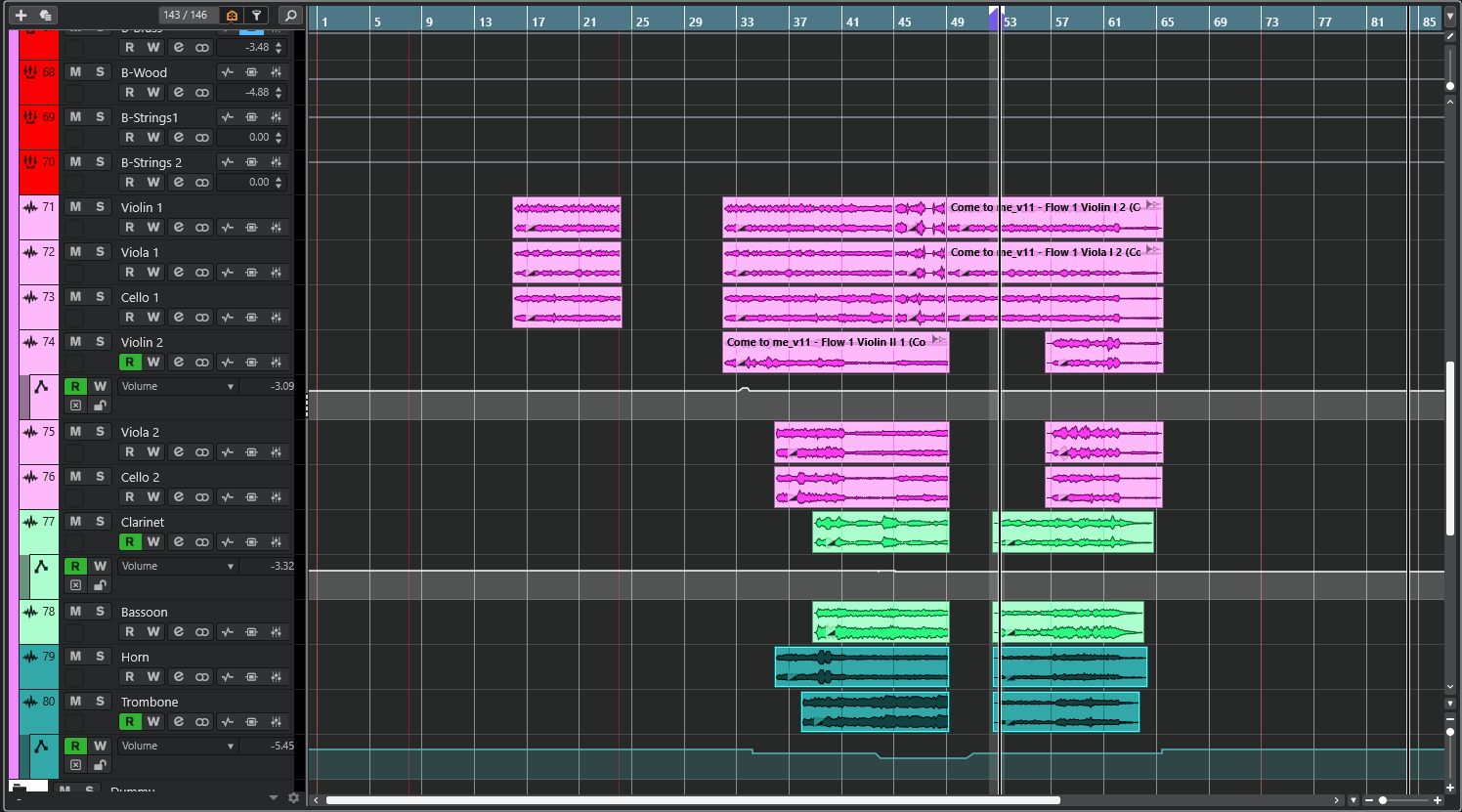
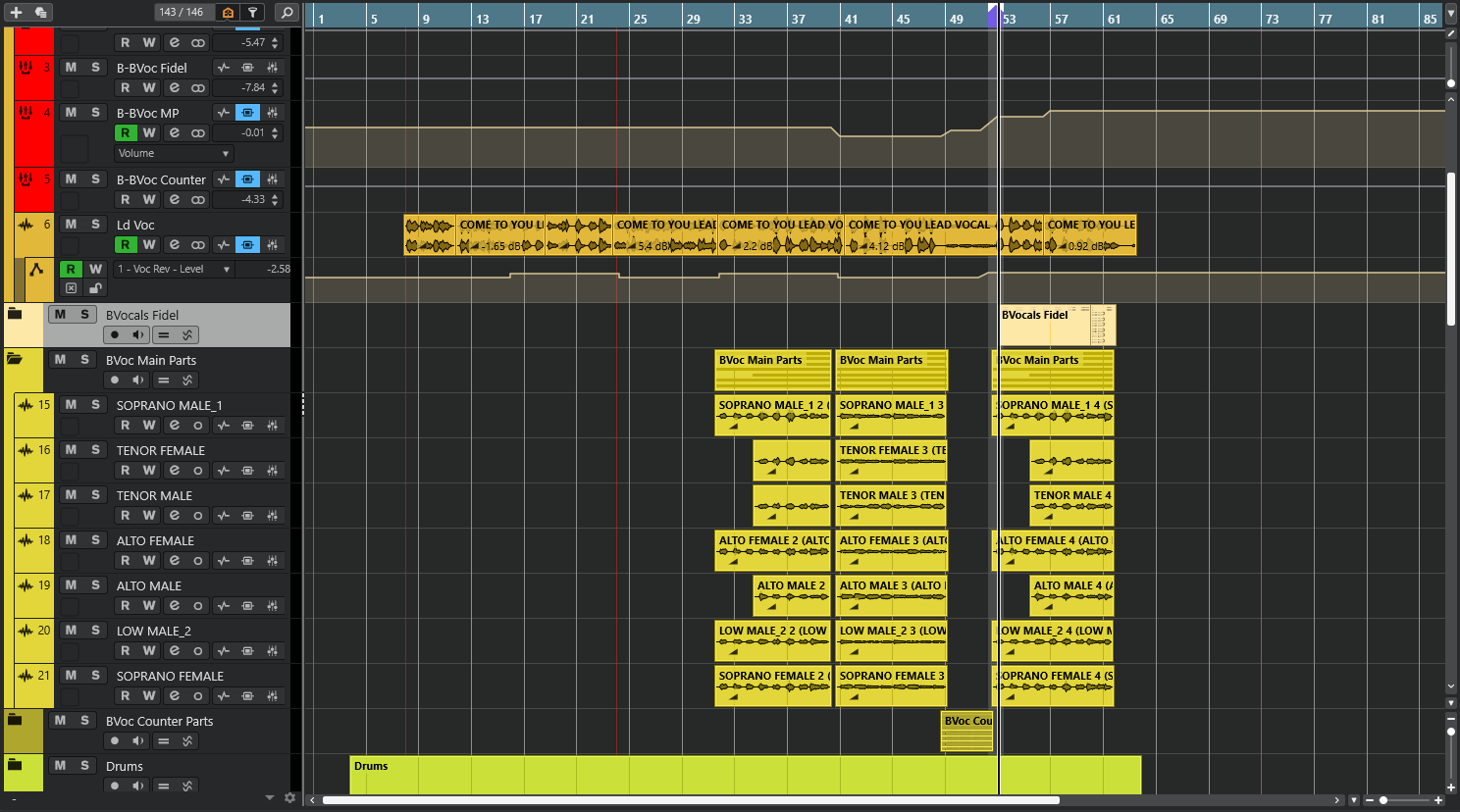
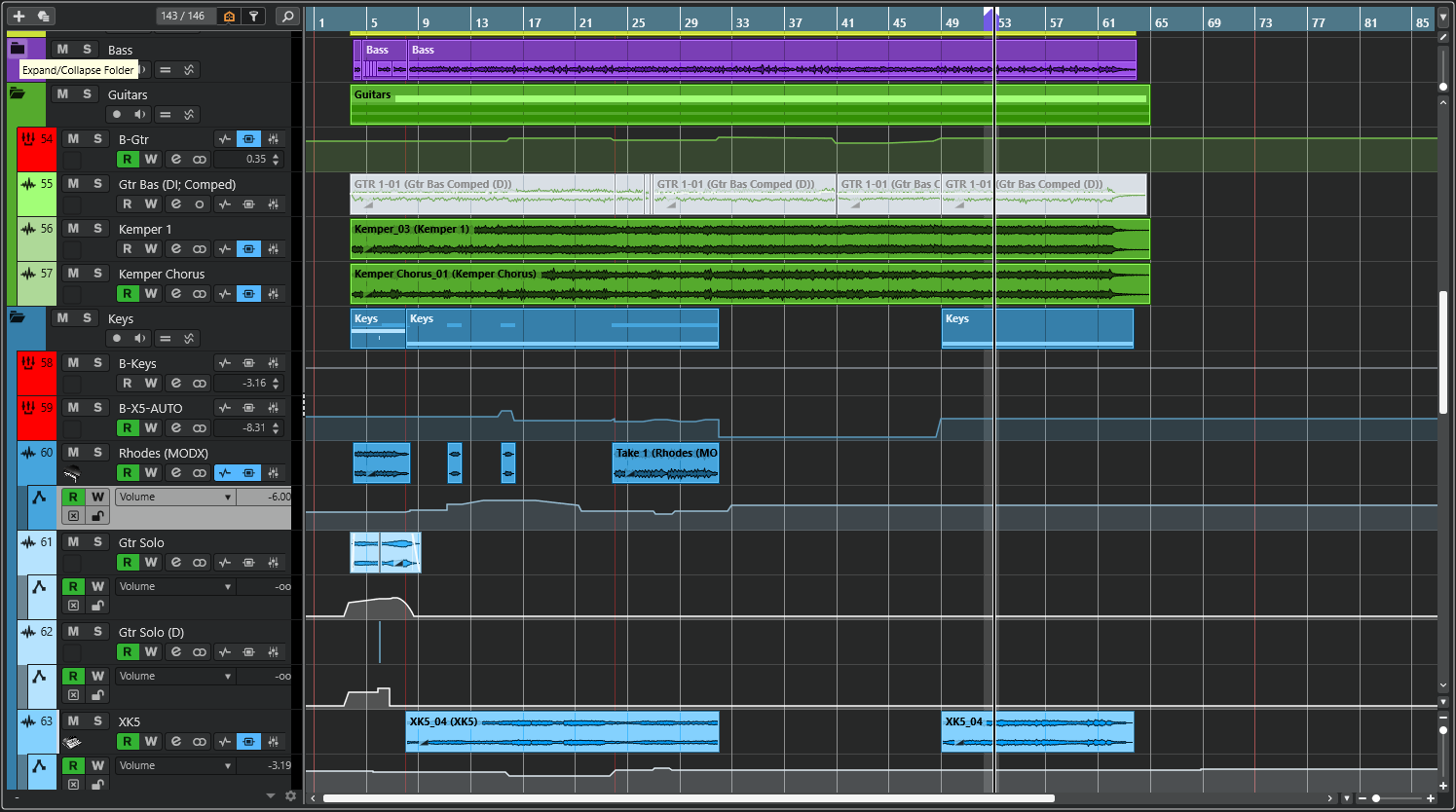
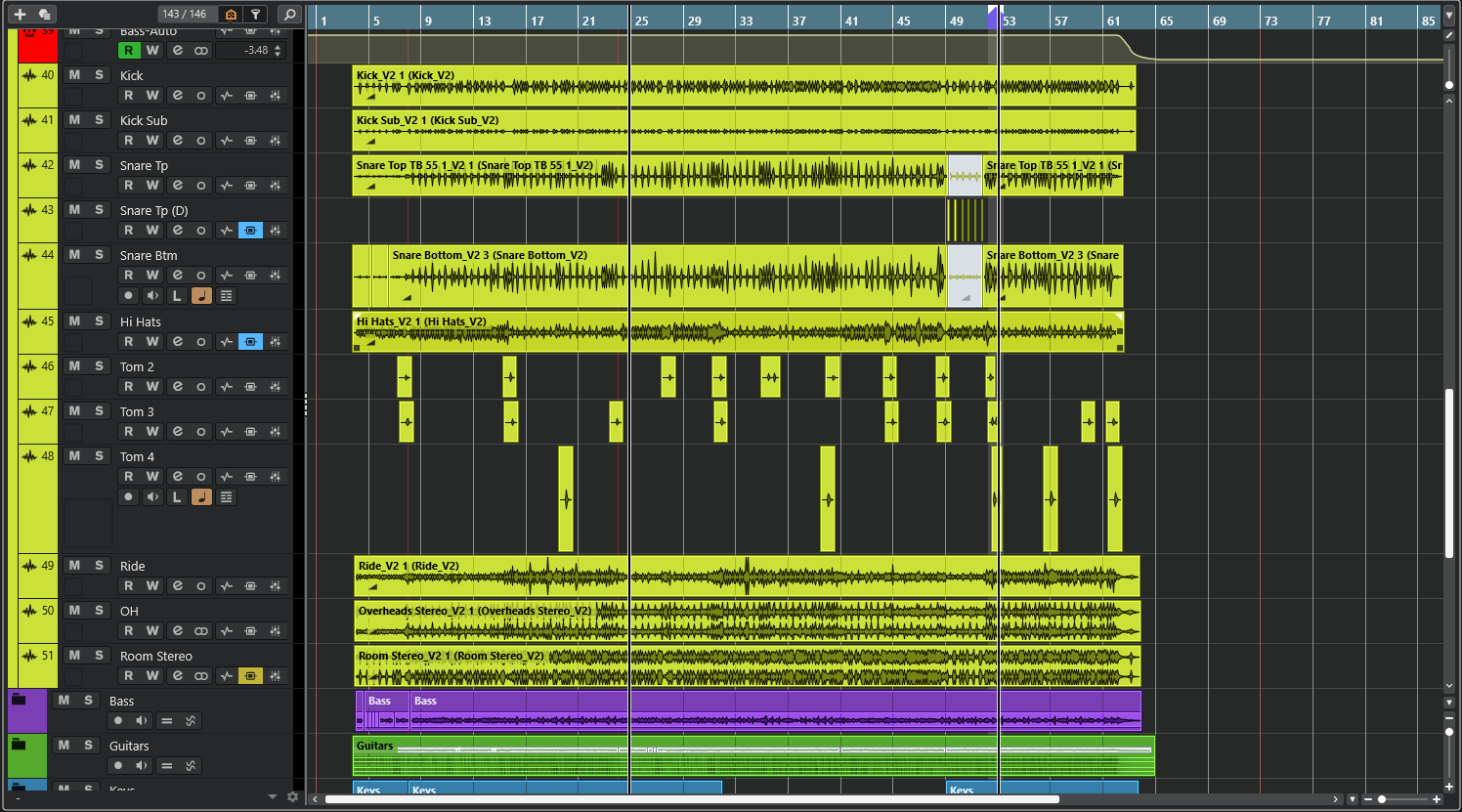
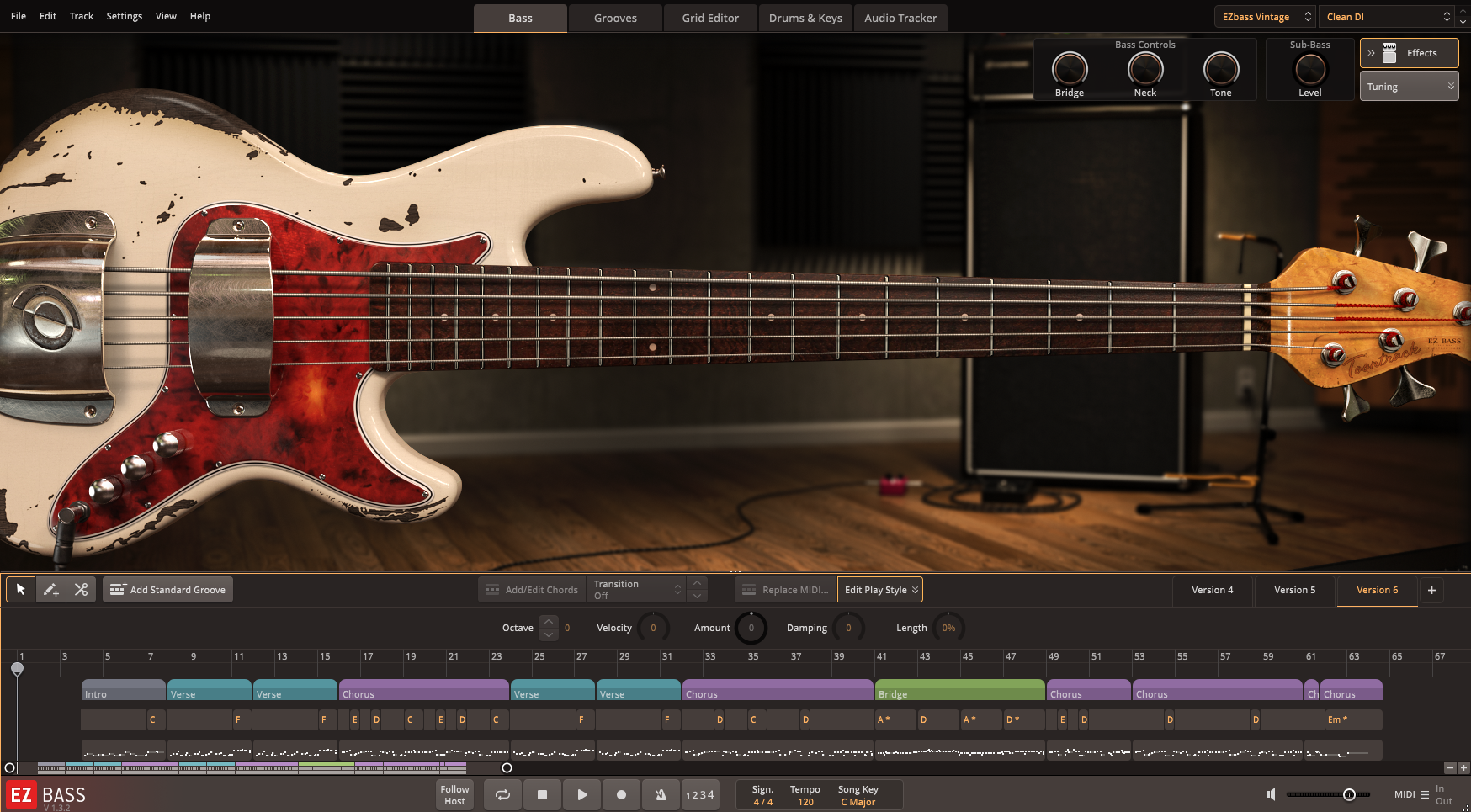
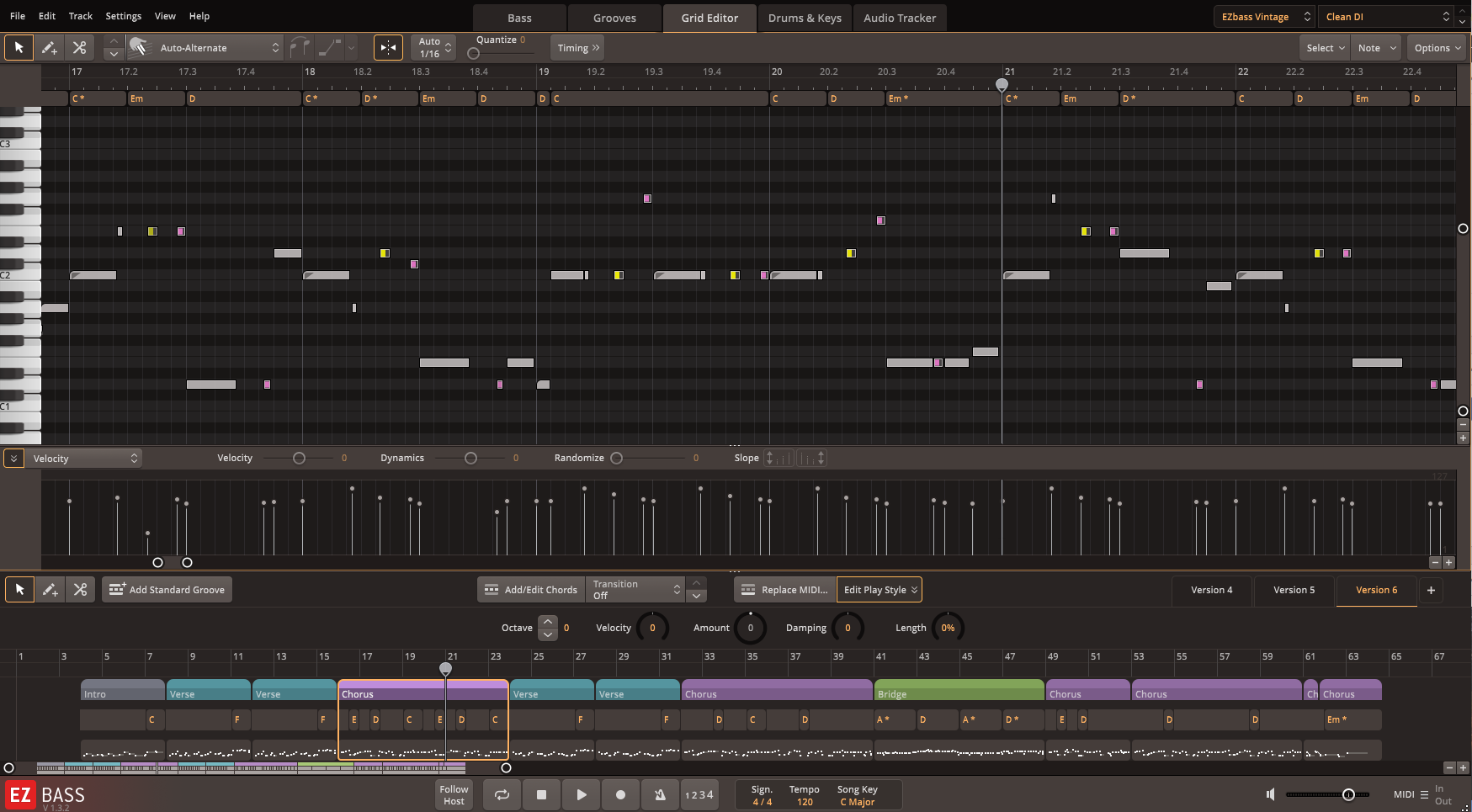
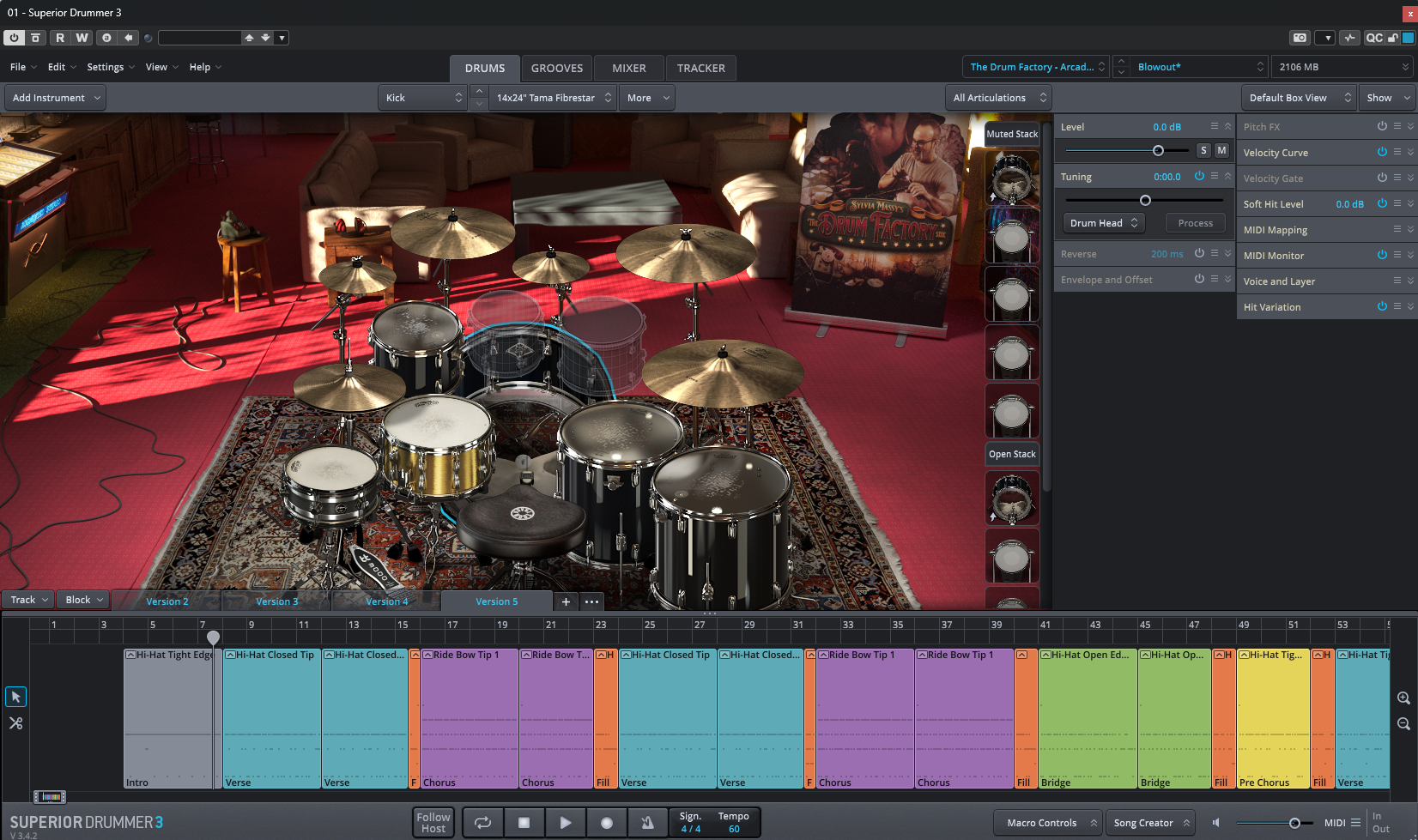
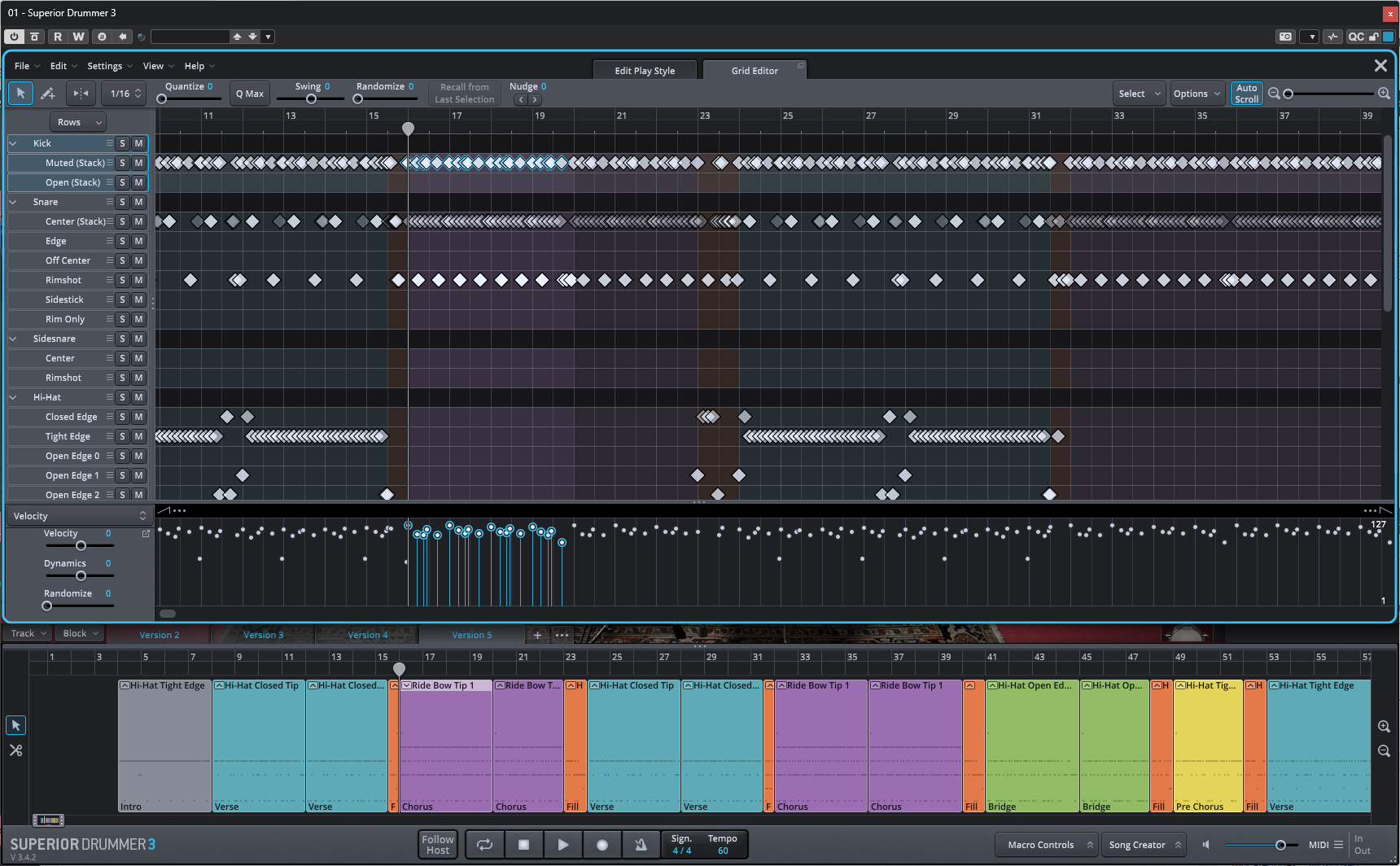
Image. Screenshots from the Cubase 15 (Steinberg) project, EZBass (ToonTracks), and Superior Drummer 3 (ToonTracks). The EZBass track was rendered to audio prior to mixing.SD3 was replaced by a drum recording at a later stage.
Orchestral parts
I composed the orchestral parts in Dorico 6 using the Spitfire Audio BBCSO library. The arrangement consists of two violins, two violas, two cellos, clarinet, bassoon, horn, and trombone, with violin 1 carrying the original melody.
The orchestration was deliberately kept simple in terms of harmony and rhythm to avoid clashes with the other instruments during mixing. I composed the orchestral parts while listening to the rest of the song to ensure that everything fit together cohesively, which required synchronization of Dorico and Cubase using timecode. Audio was exported from Dorico and imported into Cubase.
The orchestral score (PDF and Dorico files) is provided below. An audio excerpt from the second part of the song, as it appears in the final mix, can be found at the end of this post. The accompanying video shows the orchestral parts being played back in Dorico, without reverb and using only the “close” microphone positions. Reverb was added in Cubase using the Spitfire Audio ‘AIR Studios Reverb‘.

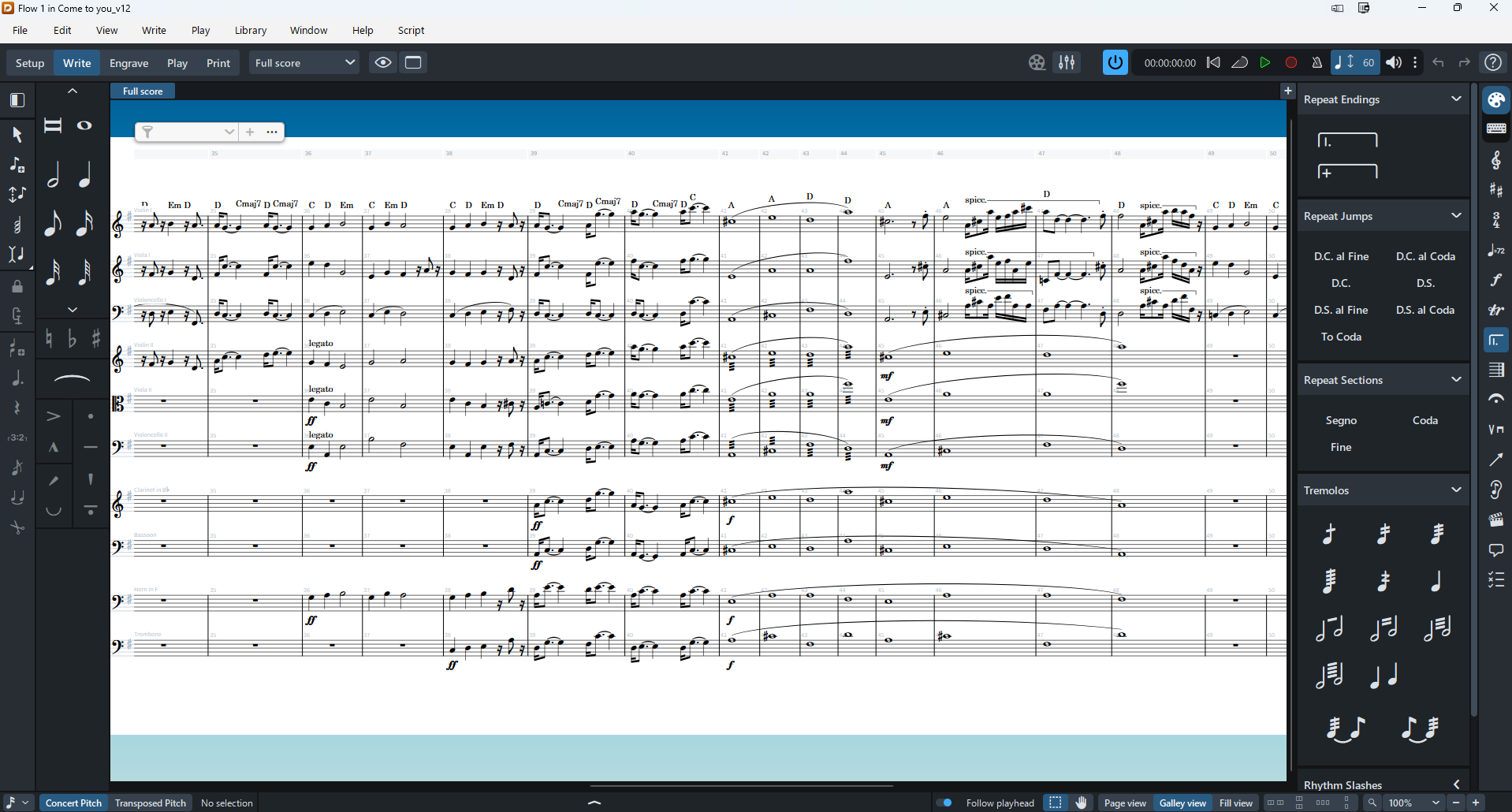
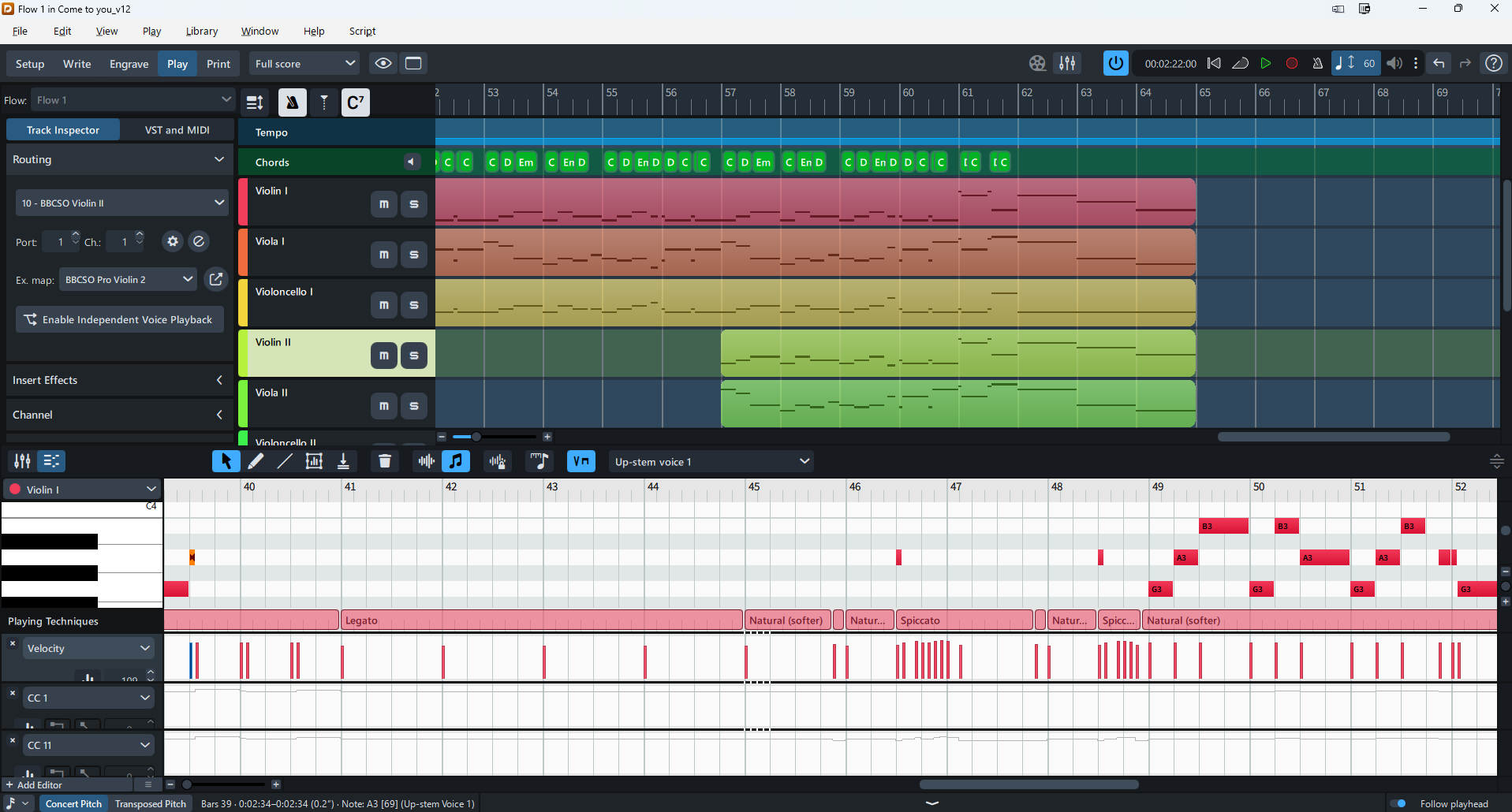
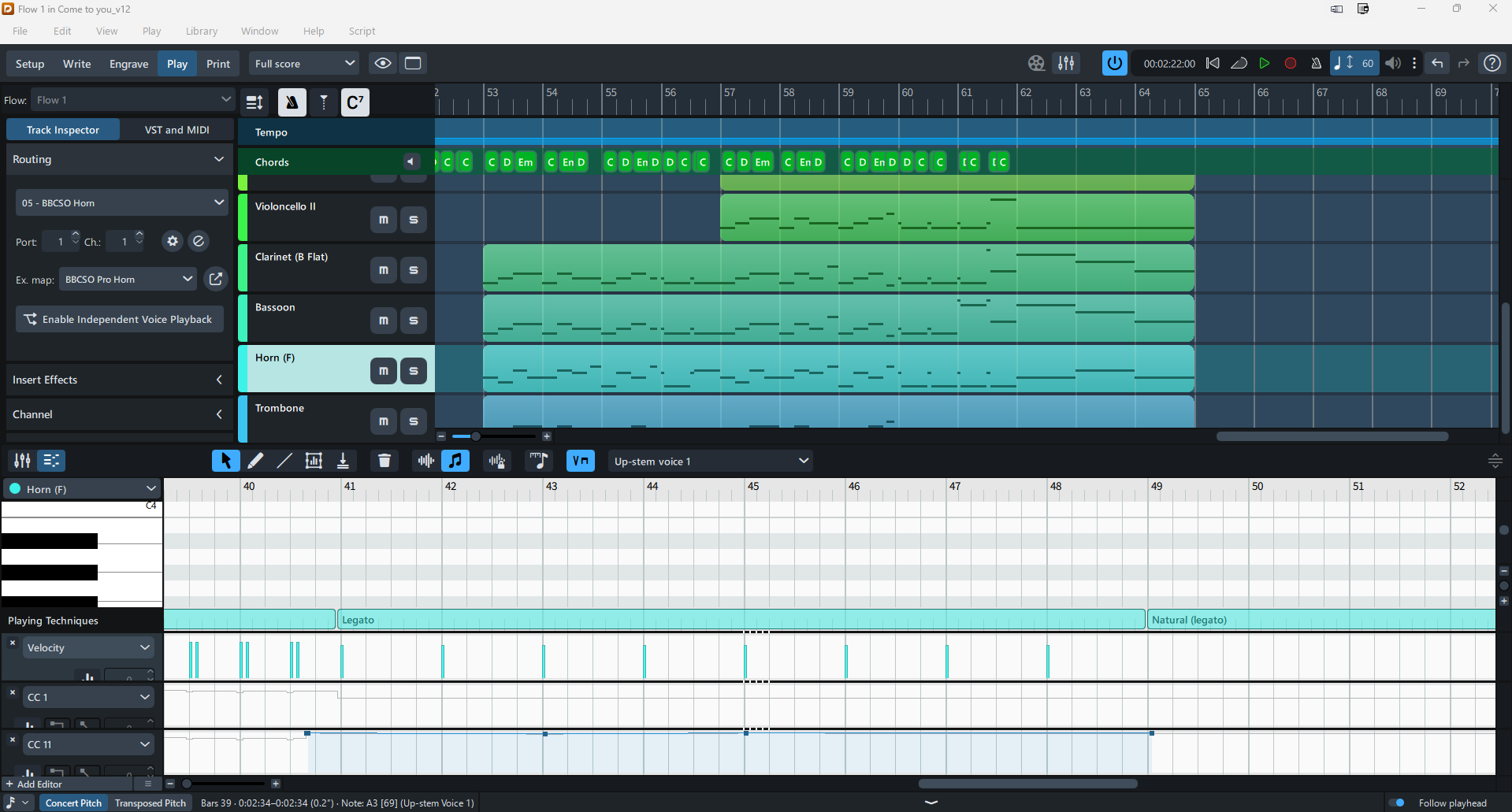
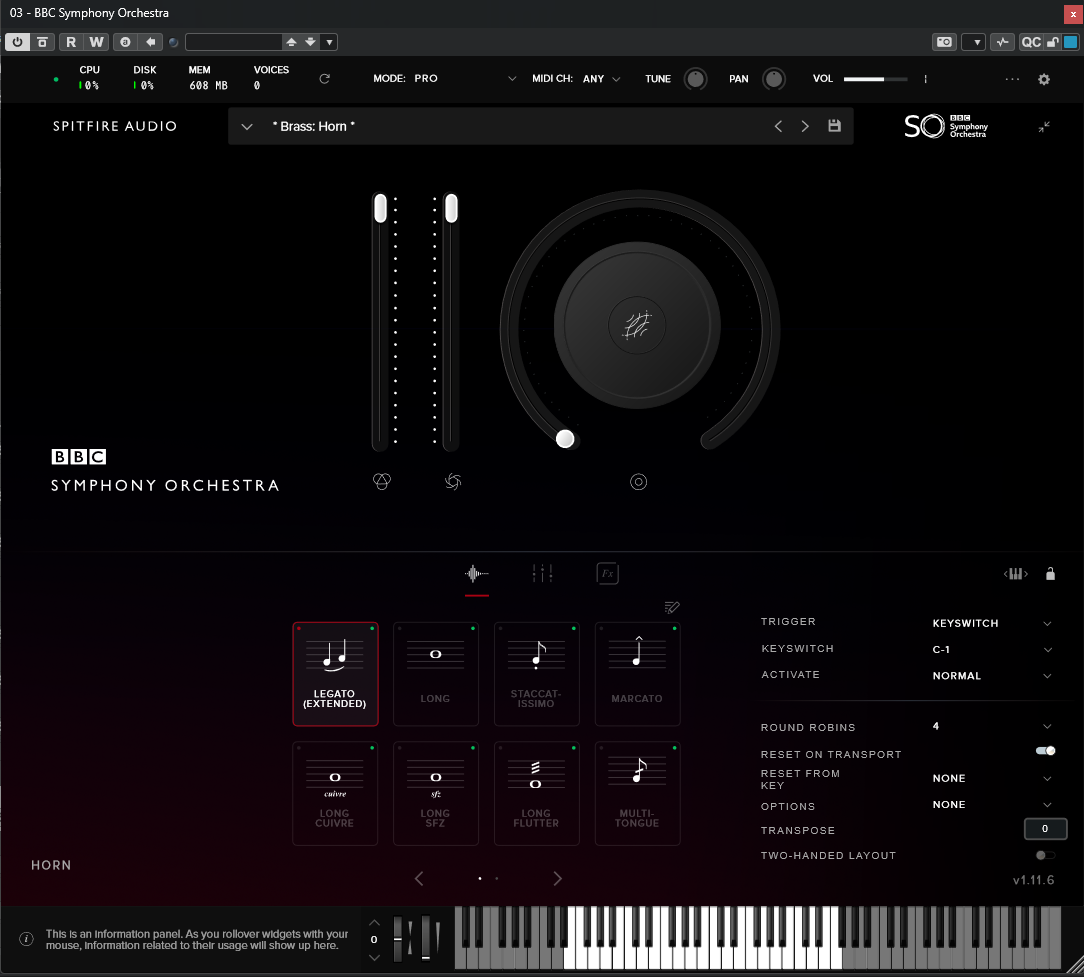
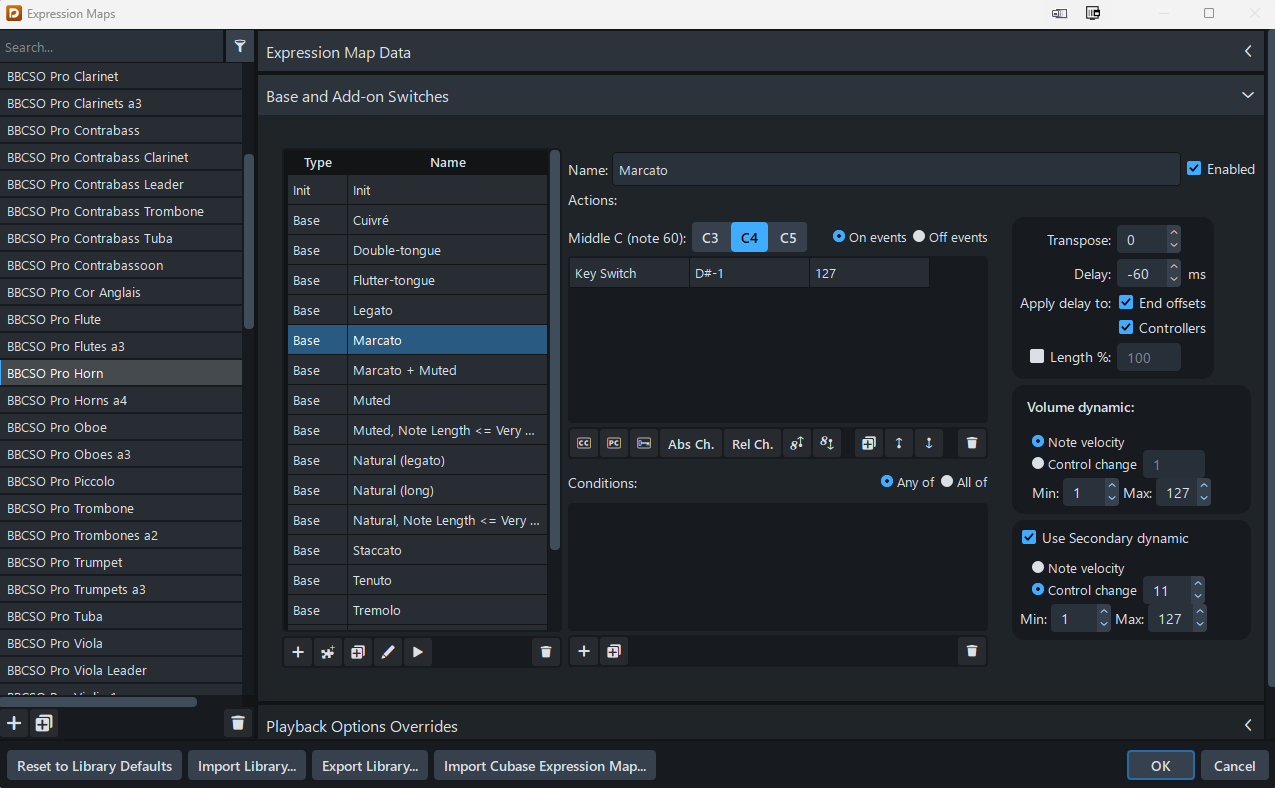
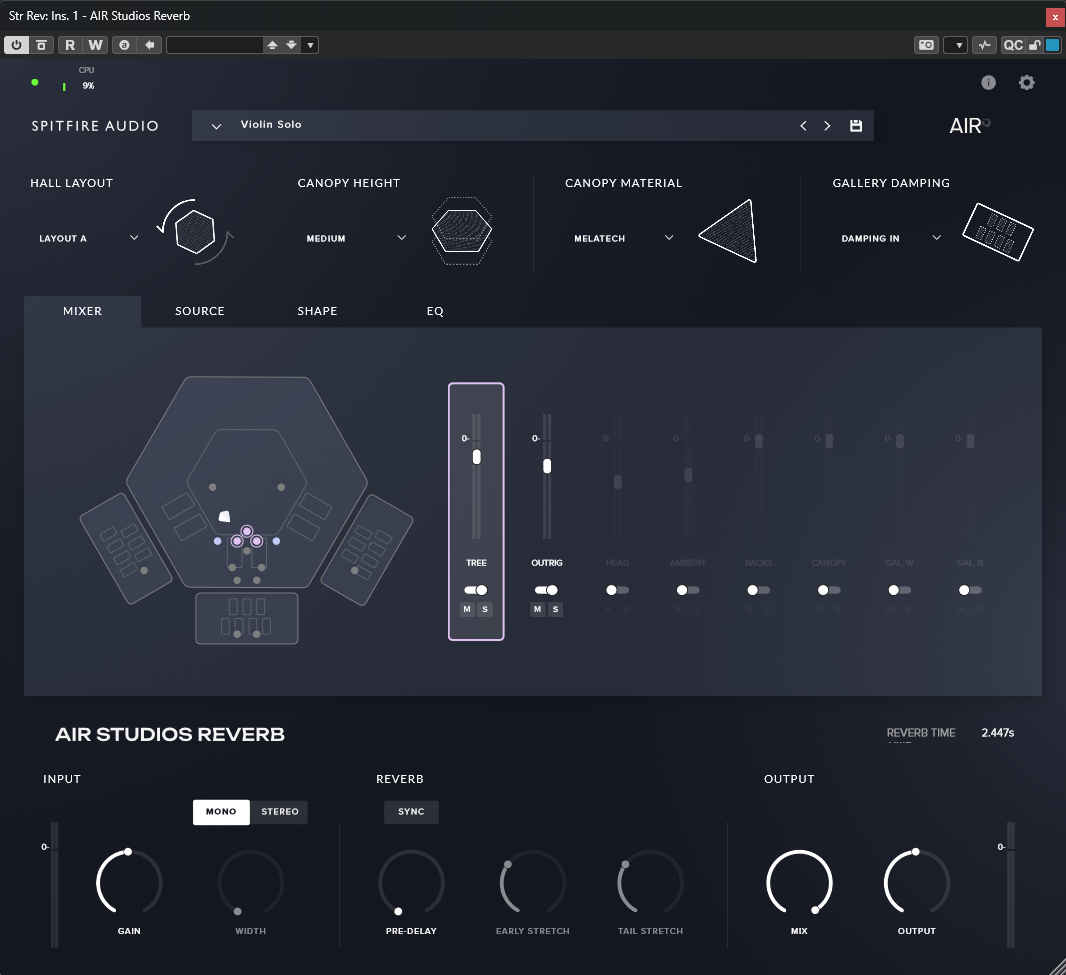
Image. Dorico 6 (Steinberg). (1) part of the composition in Dorico 6 in the upper panel (Write mode). (2) Play mode with lower panel showing the piano roll and CC11 (Expression) and CC1 (Modulation/Dynamics) MIDI controllers. (3) Horn and Woodwinds in Play Mode. (4) Spitfire BBCSO Horns VSTi. (5) Expression map for the BBCSO horns. (6) AIR Studios Reverb for the string section (in Cubase).
Mixing and Mastering
I did the mixing in Cubase Pro 15 and made a preliminary master in WaveLab Pro 12. Both were done using the VSX headphone mixing system.
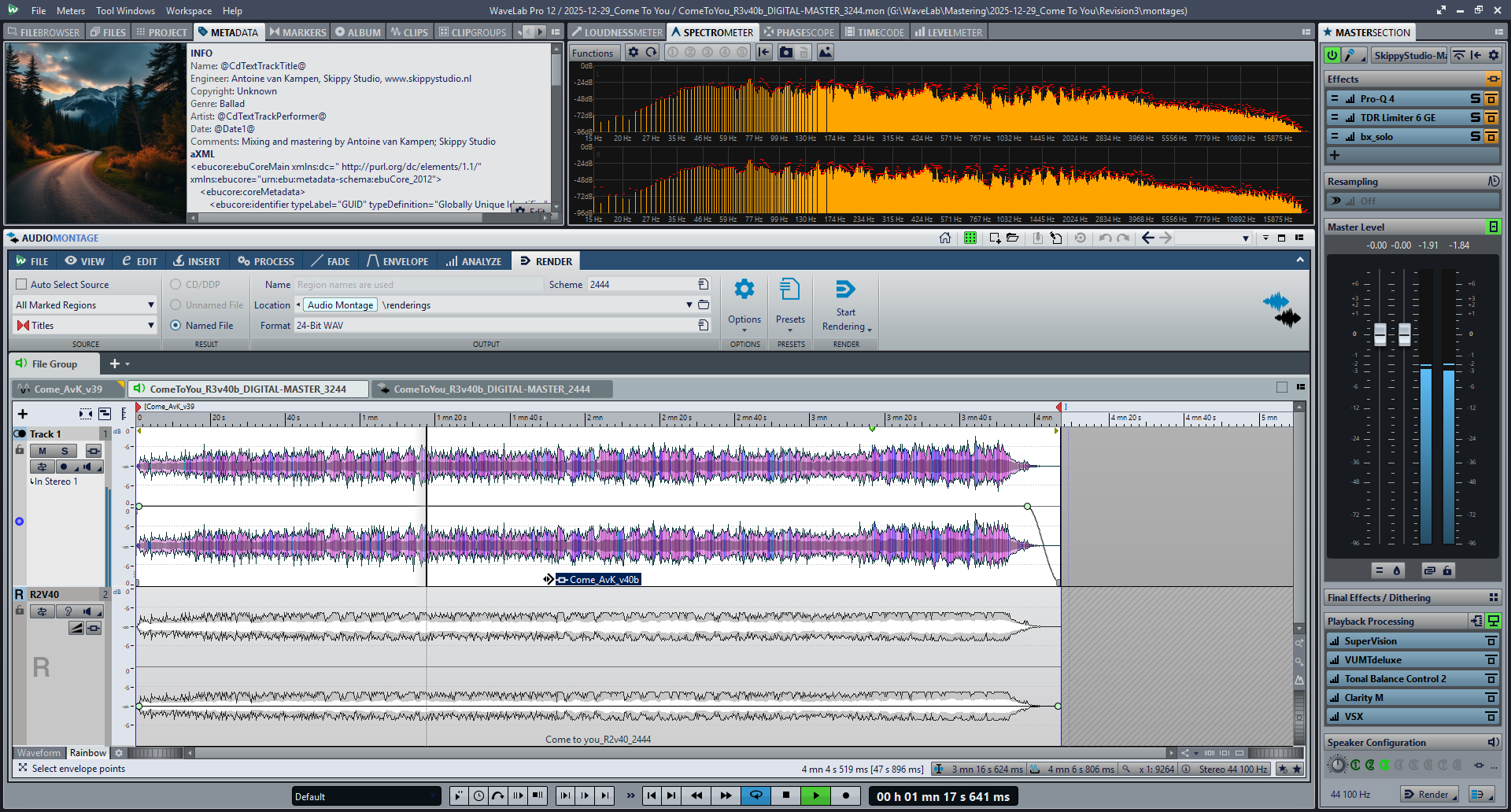
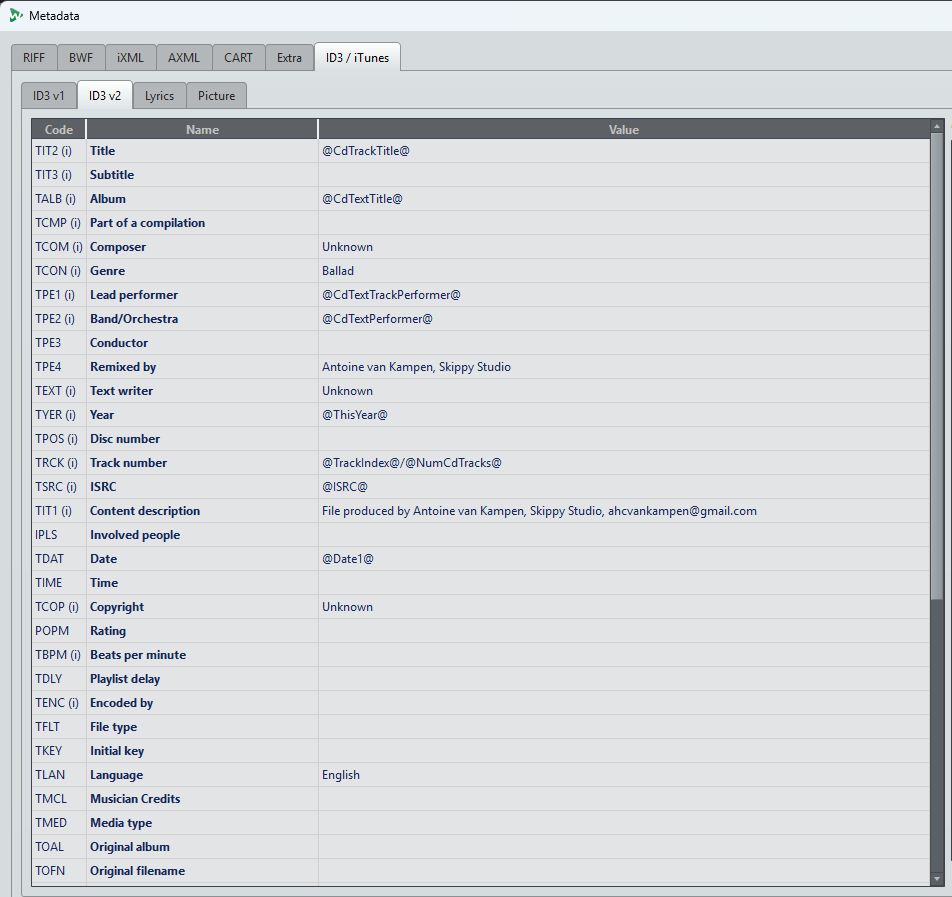
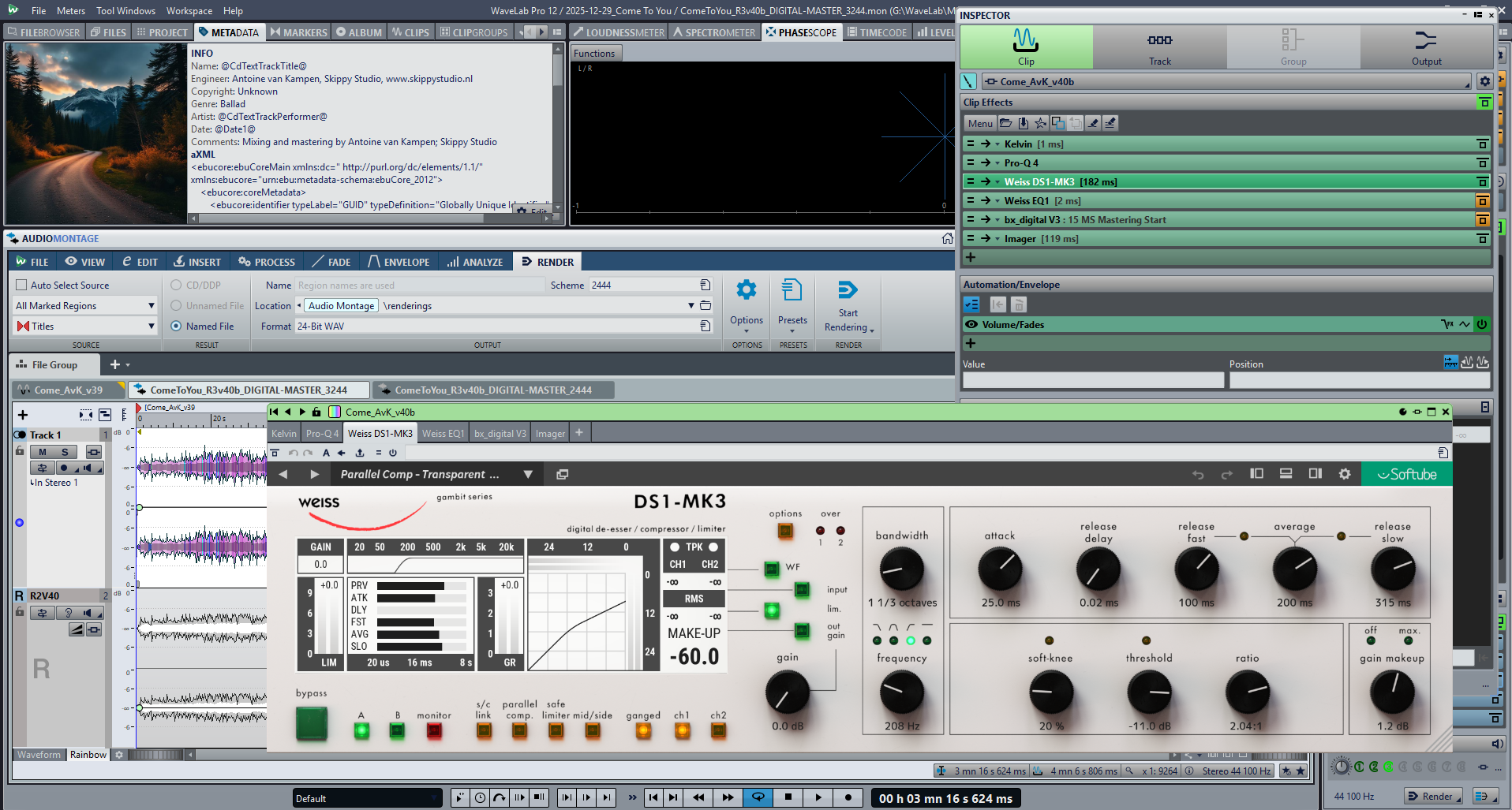
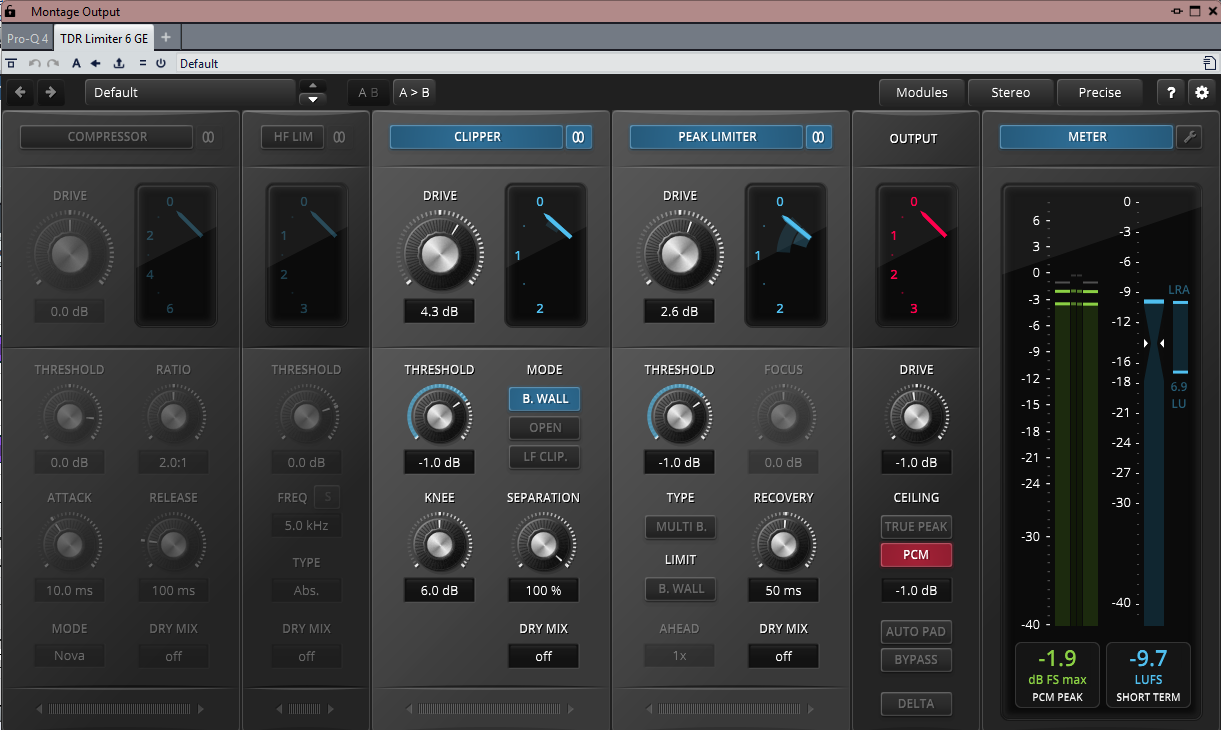
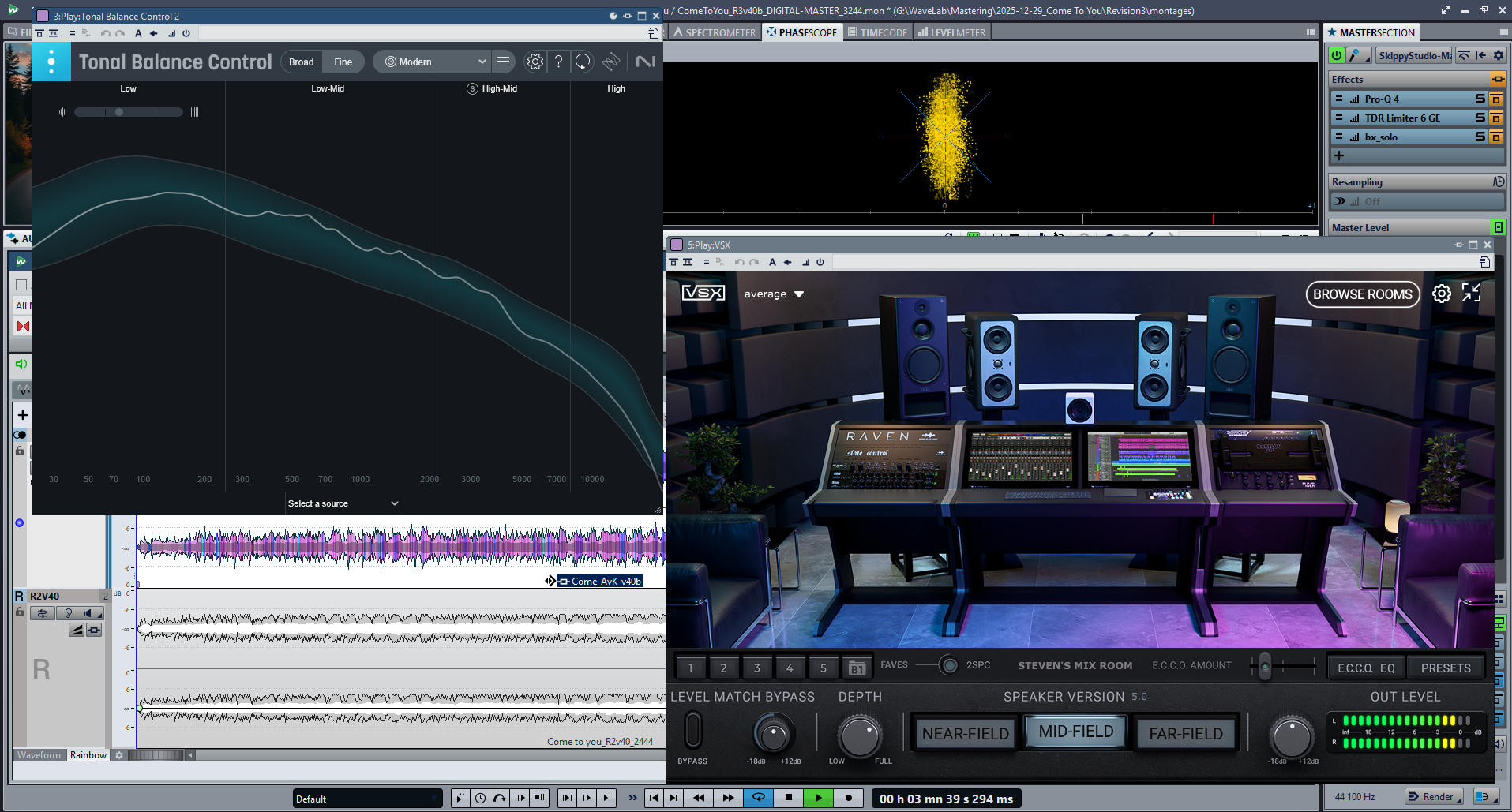
Image. Mastering session with Steinberg WaveLab 12.
Chord progression + Lyrics:
SoundCloud
Original song (Tony Beard)
Orchestral part (second part of song)
Final mix
Final master (produced by Antoine van Kampen)
Files
Multitrack available on request


