| Recent Comments |
| Categories |
| Archives |
| Tags |
Harmony Through Melody. The interaction of melody, counterpoint, and harmony in Western music.
Harmony Through Melody offers a composition-based approach to tonal music theory, ranging from early modality to recent film and popular music. This second edition contains additional examples from the standard literature, film music, and popular song, and features new assignments involving late nineteenth-century chromatic practice. The textbook present a step-by-step method for the composition and analysis of short passages and complete pieces, with more than 1400 musical examples drawn from a variety of styles and genres, plus classroom-tested examples for study and suggested assignments at the end of each chapter.
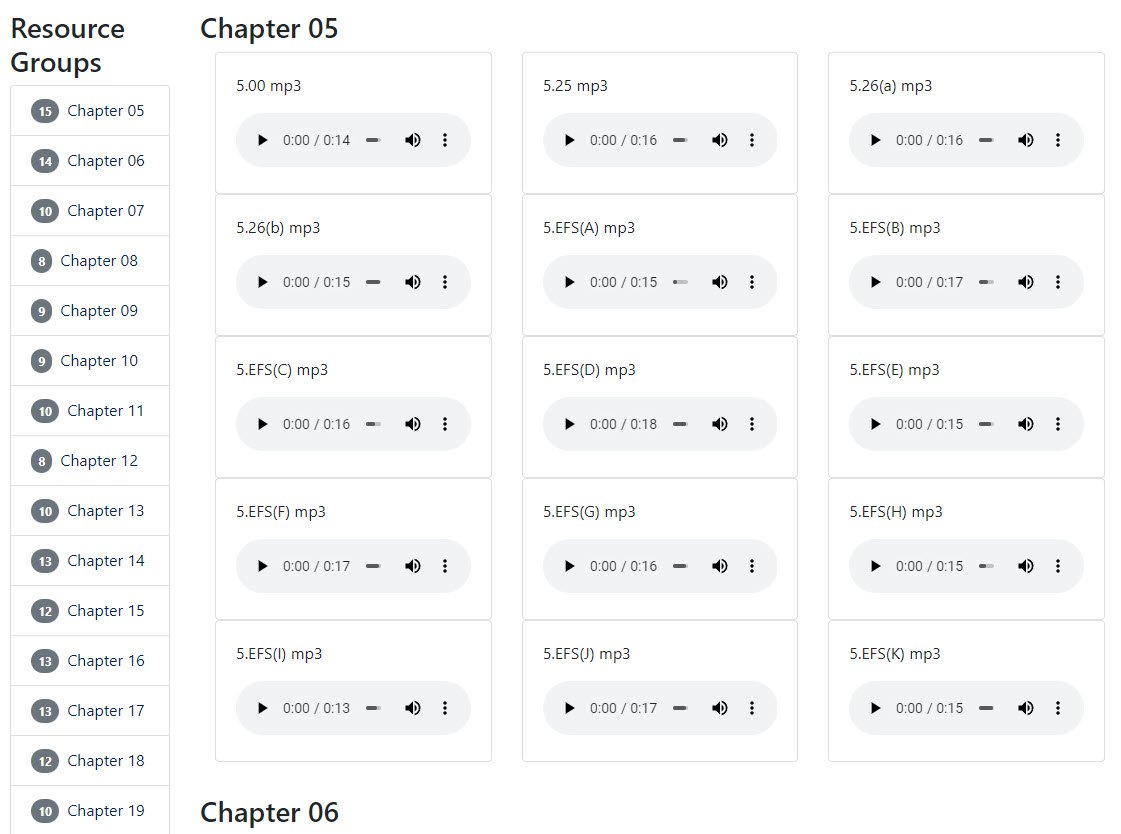
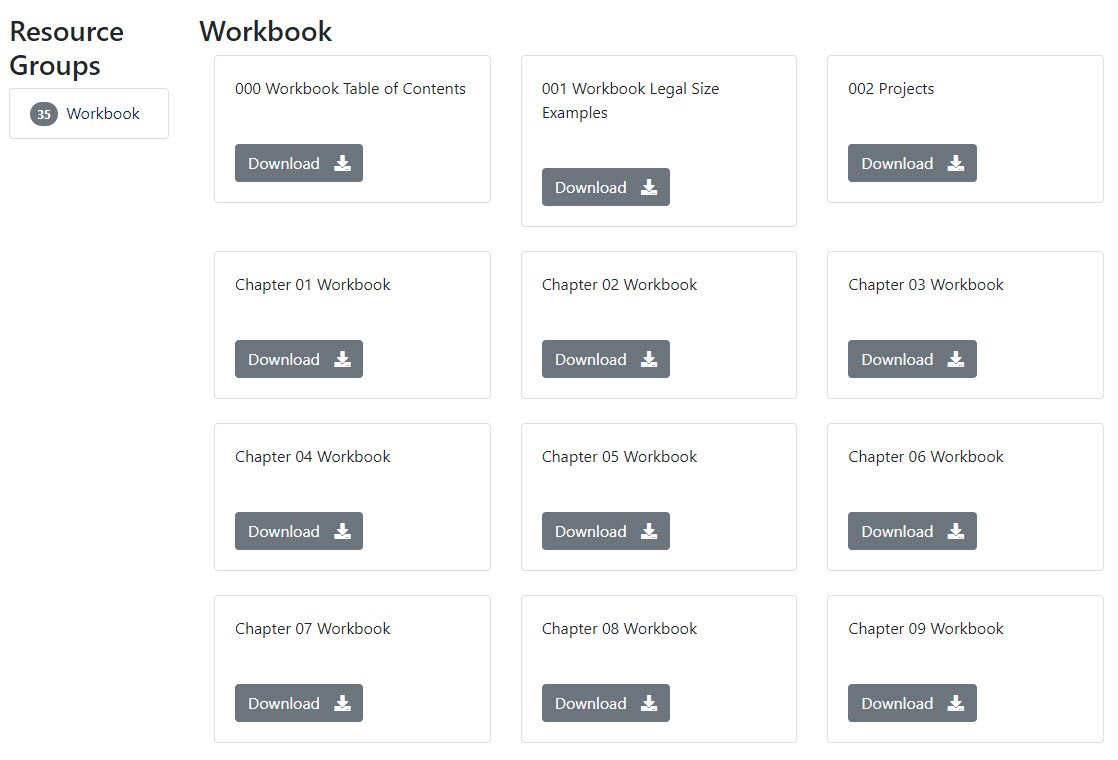
The second edition has an online companion website ([here]) featuring:
- A student workbook with more than 260 assignments for individual work and classroom use
- Audio links to 315 newly-recorded live performances of model compositions and fully realized settings
An instructor’s manual with guidelines for evaluation of assignments, additional repertoire for in-class analysis and assignments, sample syllabi, and other useful information is also available. Please email textbooks@rowman.com for more information.

Horton C, Byrne DA, Ritchey L (2020) Harmony Through Melody. The Interaction of Melody, Counterpoint, and Harmony in Western Music, Second Edition. Second Edition. Rowman & Littlefield, Lanham.
Table of Contents
Part I – Fundamentals
1. Musical Sound and Its Notation
2. Scale and Intervals
3. Modes and Keys
4. Rhythm and Meter
Part II – Modality: Melody and Harmony
5. Melodic Design
6. Duple Paraphrase
7. Harmonic Framework
8. Chordal Succession
Part III – Vocal Melody and Counterpoint
9. Melodic Dialogue
10. Triple Paraphrase
11. Vocal Duet
Part IV – Diatonic Harmony and Tonicization
12. Tonic Confirmation
13. Suspensions and Syncopations
14. Tonicization
15. Elaborating the Lower Voices
16. The Chorale
Part V – Instrumental Melody and Counterpoint
17. Quadruple Paraphrase
18. Instrumental Duet
19. Elaborating the Soprano
20. Accompanied Melody
21. Diatonic Sequence
22. The Minuet
Part VI – Chromatic Harmony and Form
23. Primary Mixture
24. Intensifying the Dominant
25. Intensifying the Tonic
26. Formal Modulation
27. Chromatic Sequence
28. Secondary Mixture
29. The Romance
Part VII – Extensions of Chromatic Tonality
30. Enharmonics
31. Extended Voice-Leading Techniques
32. Twentieth Century Melody
Online resources
The second edition has an online companion website ([here]).